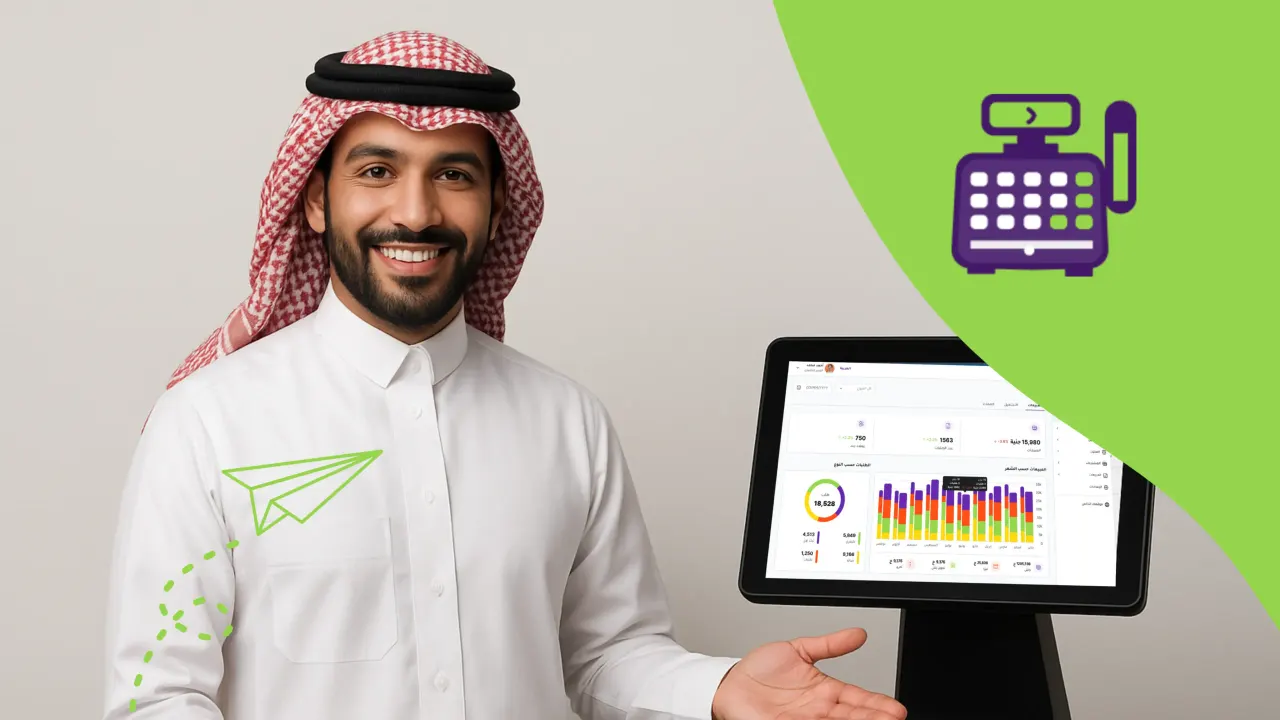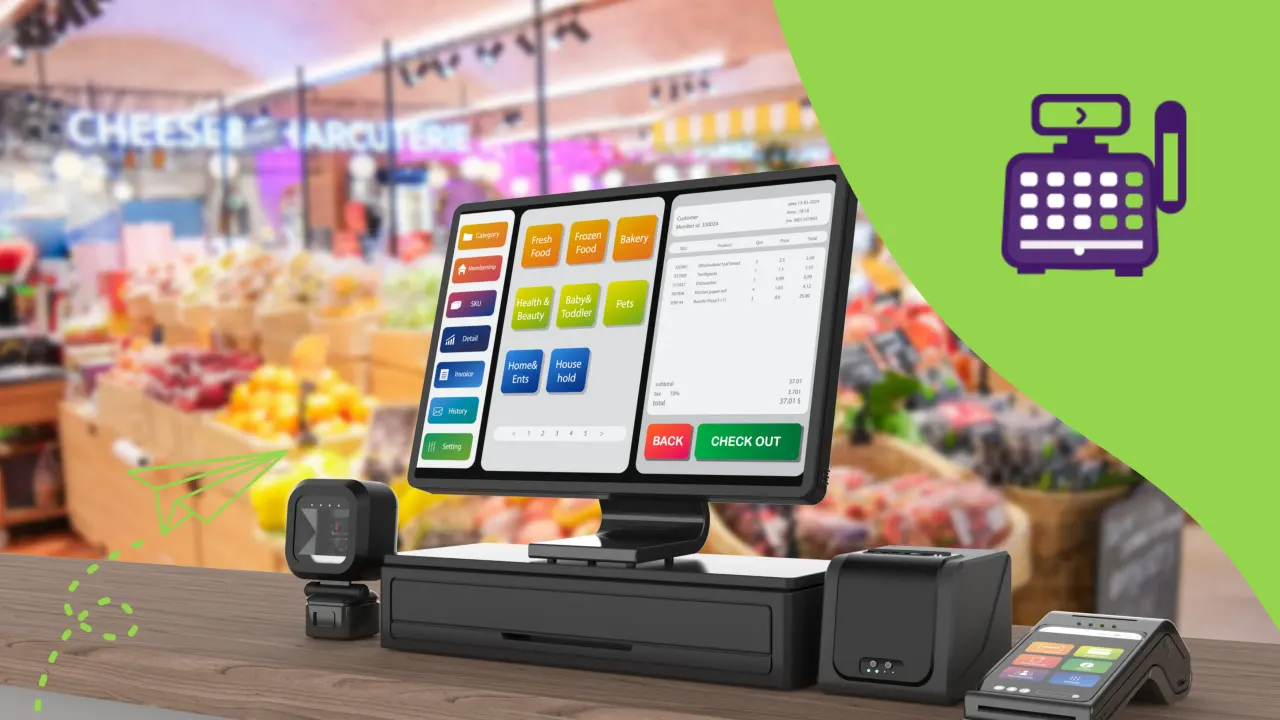
The Saudi market is going through a rapid, comprehensive digital shift across economic and commercial sectors, driven by the Kingdom's Vision 2030, which places digital transformation and innovation at the heart of its national strategy. In this context, point-of-sale systems in Saudi Arabia are no longer just a tool for collecting payments or issuing invoices; they have become integrated platforms for managing business, analyzing data accurately, enhancing the customer experience, and linking operations to management decisions. With growing competition and rising consumer expectations, the question that entrepreneurs and investors ask today is more pressing than ever: what can we expect from the next generation of point-of-sale systems in the Kingdom over the next five years, and how will these systems help reshape the business environment and develop the retail and hospitality sectors more deeply?
1. The shift to cloud solutions as the basic standard
According to reliable global reports, the global cloud point-of-sale systems market is expected to grow by more than 13% a year through 2028 [Statista]. This growth rate reflects the major shift toward digital solutions across industries. In Saudi Arabia, reliance on cloud systems will increase not only thanks to their flexibility and ability to work online and offline, but also because they support rapid expansion, multi-branch management and real-time control of sales. Platforms such as Alcashier (Alcashier), designed specifically for the local market, are a living example of this evolution. They give merchants advanced capabilities to manage sales, inventory and expenses from anywhere through an easy-to-use interface, and connect different branches in a comprehensive dashboard that provides detailed reports and real-time analytics to help make more accurate, strategic decisions. Given the expected growth of e-commerce and startups, relying on cloud solutions will become the first choice for merchants who want to boost their efficiency.
2. Integrating artificial intelligence and predictive analytics
The role of point-of-sale systems is no longer limited to recording routine transactions; today they are advanced, smart tools able to forecast orders based on past purchase patterns, suggest optimal stock levels to cut costs, and even personalize promotions for individual customers. Studies indicate that 57% of companies that use predictive analytics achieve faster growth than their competitors [McKinsey], as these companies can anticipate market trends, optimize the supply chain and increase the efficiency of their operations. For Saudi Arabia, this means merchants will be able to improve purchasing decisions and avoid waste and loss, especially in sensitive sectors such as restaurants and retail, and they can also build deeper relationships with customers by offering a more personalized, flexible experience, which raises loyalty and strengthens competitiveness in the local market.
3. Multiple payment methods and the evolution of digital wallets
With smartphone use in Saudi Arabia rising to more than 95% [CITC], digital wallets such as Apple Pay and STC Pay have become a core option for consumers, and local mada cards and international credit cards make up a large part of everyday payment patterns. The next generation of point-of-sale systems will not stop at supporting these methods; it will ensure smooth integration with all payment methods, including instant bank transfers, payment via QR codes, and buy-now-pay-later options. In the near future, Saudi Arabia is expected to introduce central bank digital currencies, which means point-of-sale systems need to be ready from now to integrate with these innovations. This variety of methods will raise customer satisfaction, cut waiting times at checkout, and keep pace with the fast changes in payment preferences in the dynamic Saudi market.
4. Security and compliance with local regulations
Cybersecurity has become an indispensable priority in the modern business environment, especially with growing reliance on digital solutions and sensitive customer data. The next generation of point-of-sale systems in Saudi Arabia will rely on advanced encryption to protect data in transit and at rest, along with continuous cloud backup that ensures no information is lost even in emergency failures. Multi-factor authentication will also be enabled to add extra layers of security when logging in and carrying out transactions, reducing the chance of breaches. Furthermore, these systems will strictly comply with the e-invoicing regulations of the Zakat, Tax and Customs Authority (ZATCA), including simplified and standard tax invoices and trusted digital signatures. Platforms such as Alcashier offer integrated solutions in this area, combining full compliance with local standards with the latest global security protocols, which gives merchants peace of mind and strengthens customers' trust in their everyday transactions.
5. Integration with digital platforms and e-commerce
According to Statista figures, the size of Saudi Arabia's e-commerce market is expected to exceed 30 billion US dollars by 2027, a figure that reflects the pace of the digital shift in consumer behavior. This means point-of-sale systems are no longer isolated from online stores or smart apps; they will integrate fully with them to create a unified shopping experience across channels, whether online or in store. For example, a platform like Alcashier can connect point of sale to the online store to unify sales and inventory, manage online orders alongside in-branch sales, and handle returns or exchanges easily through any channel. This integration gives merchants a comprehensive view of their business performance and gives customers a smoother experience at every touchpoint with the brand.
6. Improving the customer experience through data
The next generation of POS will make the customer experience more personalized and richer than ever. By tracking past buying behavior and analyzing consumer preferences in real time, a merchant can offer tailored deals that match each customer's interests, such as discounts on favorite products or suggestions for complementary items. Smart loyalty programs can also be activated to reward the most frequent customers with points or digital vouchers, which strengthens their sense of being appreciated and motivates them to return. In addition, these systems will make it possible to send notifications and alerts by email or phone apps to keep customers informed about new offers. According to studies [Harvard Business Review], using these tools increases customer retention by up to 25% or more, which directly affects revenue and strengthens the brand's reputation in the market.
7. The role of smart devices and the Internet of Things (IoT)
Smart devices such as wireless printers, portable scanners and connected tablets will become an integral part of the modern point-of-sale ecosystem, offering greater flexibility and speed in daily operations. Integrating point-of-sale systems with Internet of Things technologies will also give merchants the ability to monitor inventory precisely in real time, with automatic alerts when a particular product is running low, or even trigger reorders from the vendor automatically to avoid shortages. In addition, these systems can be linked to smart sensors inside warehouses to monitor storage conditions such as temperature and humidity, which is vitally important in sectors such as food and pharmaceuticals. This level of integration between smart devices and point of sale boosts operational efficiency, reduces human error, and ensures a smoother experience for both staff and customers.
8. Support for multiple languages and cultures
Given the diverse nature of the Saudi market, which attracts investors and workers of many nationalities, future point-of-sale systems will support multiple languages (Arabic and English as the main languages), with the option of adding others such as Urdu, Filipino or Hindi when needed, making them easier to use for staff and customers alike. Expanding language support will also make the systems more inclusive and let multinational companies operate smoothly in the Saudi market without language barriers. This trend doesn't only raise staff efficiency; it also eases communication in multicultural workplaces, helps cut errors caused by misunderstandings, and raises customer satisfaction by providing a smooth, understandable experience for everyone.
9. Flexibility and scalability for startups and large companies
One of the most notable trends of the coming years is that point-of-sale systems will no longer be aimed only at large organizations, as in the past, but will become available to businesses of every size through flexible, customizable subscription plans. This flexibility will allow small and startup companies to benefit from advanced technology without needing huge investments in infrastructure or expensive hardware. For example, a startup store can begin with a basic plan focused on managing sales and inventory, then expand gradually by adding advanced modules such as analytics reports, e-commerce integration or loyalty systems as its business grows. Large organizations, meanwhile, will benefit from advanced scaling capabilities and managing dozens of branches at once while supporting thousands of daily transactions. This flexible approach creates a more inclusive business environment and gives every merchant, regardless of size, access to modern tools that help them compete effectively in the growing Saudi market.
Conclusion
The next generation of point-of-sale systems in Saudi Arabia will not be just a traditional selling tool, but a smart, comprehensive platform for running businesses with high efficiency and greater sustainability. From advanced predictive analytics that help make accurate strategic decisions, to full integration with e-commerce and other digital channels, and from cybersecurity that protects customer and merchant data, to support for multiple payment methods that meet consumers' varied needs, the next five years hold great and exciting promise for business owners in the Kingdom. This development will redraw the landscape of the retail and hospitality sectors, and give startups and small businesses a golden opportunity to grow alongside large entities. With advanced solutions like Alcashier, designed specifically for the local Saudi market, merchants have a unique opportunity to keep pace with the future with confidence, boost their operational efficiency, raise customer satisfaction, and build brands able to compete both locally and regionally. In the end, investing in these systems today is a strategic step that ensures companies keep growing and achieve sustainable success in a fast-changing market.
Frequently asked questions (FAQ)
Do point-of-sale systems work without internet?
Yes, many systems such as Alcashier support offline work with automatic syncing when the connection returns. This means the store or restaurant owner won't be affected by a sudden internet outage, as sales keep being recorded as normal and are then synced automatically as soon as the network connection is restored. This feature provides peace of mind and ensures continuity of service without losses.
Can point-of-sale systems be connected to online stores?
Absolutely. The next generation of systems offers full integration between point of sale and digital platforms. This integration allows sales and inventory to be managed in a unified way across channels, whether the physical store, the website or even mobile apps. For example, if a product is sold online, it is deducted directly from inventory in the system, which prevents errors and improves the customer experience.
How secure is customer data?
Modern systems rely on encryption and cloud backup to keep data secure. Multi-factor authentication and user permission management are also enabled to prevent any unauthorized access. In addition, some systems provide periodic security reports that help business owners monitor user activity and detect any suspicious attempts early, which protects the business's reputation and increases customer trust.
Are point-of-sale systems suitable for small businesses?
Yes. Thanks to flexible plans, even the smallest stores can benefit from these systems. A business owner can choose a simple plan that covers basic needs such as issuing invoices and tracking sales, then expand gradually by adding advanced features such as analytics or e-commerce integration. This lets small businesses benefit from technology without huge costs, and helps them grow at a steady pace.

The future of restaurants without cashiers: will POS replace staff?
The restaurant sector worldwide is undergoing a radical transformation driven by fast-moving technology, as the changes are no longer limited to cooking methods or design…

POS solutions for your store: track sales and inventory accurately
With the acceleration of digital transformation in Saudi Arabia and Vision 2030, which encourages the adoption of modern technologies, it is no longer enough to rely on…

POS and artificial intelligence: are we entering the era of smart restaurants?
The restaurant sector in the Arab world, especially in Saudi Arabia, is undergoing a radical transformation driven by modern technologies such as artificial intelligence and POS systems…
The post The next generation of POS in Saudi Arabia: trends for the next five years appeared first on Alcashier.