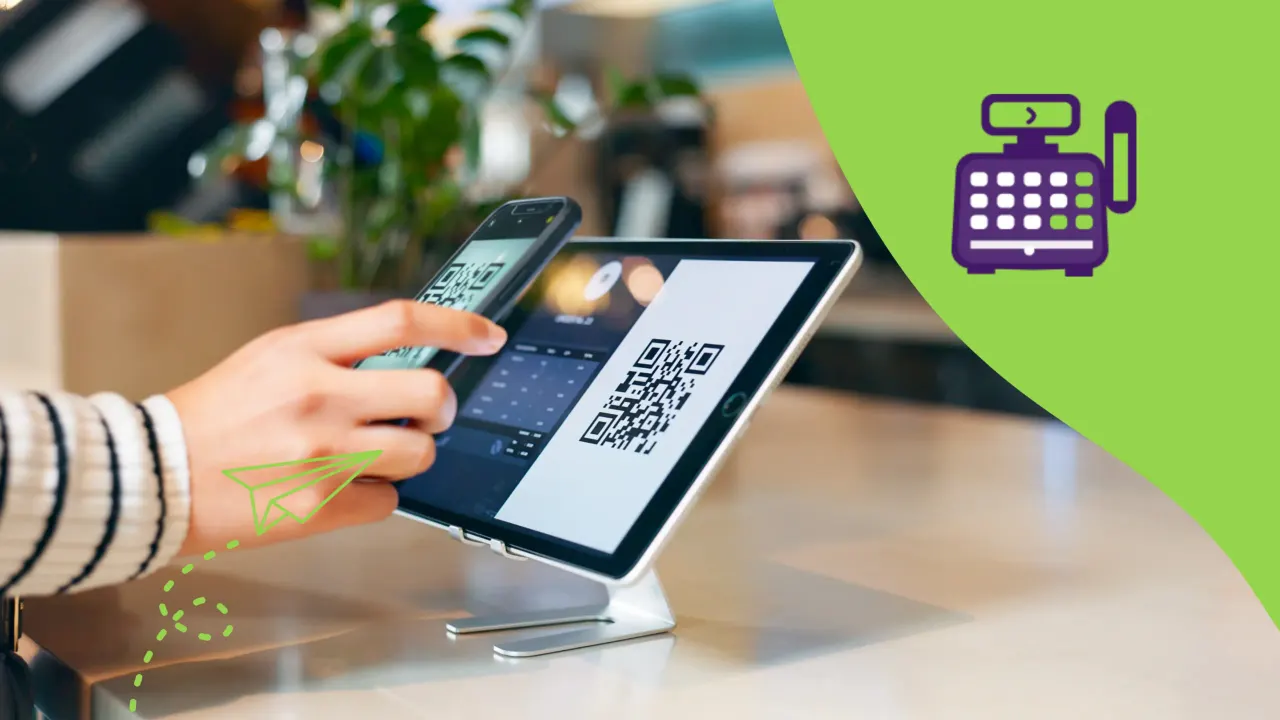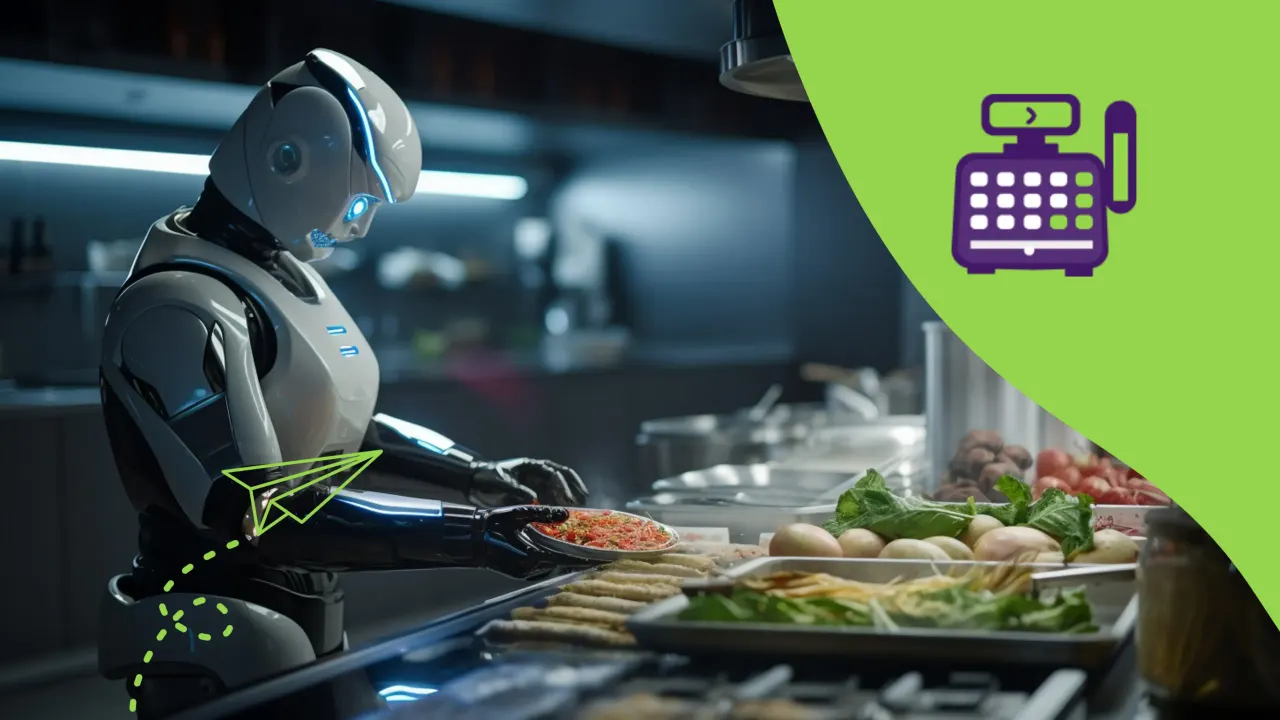
The restaurant sector in the Arab world, especially in Saudi Arabia, is undergoing a radical transformation driven by modern technologies such as artificial intelligence and cloud POS systems. These tools are no longer just a way to record invoices; they have become part of a comprehensive system for managing restaurants and improving the customer experience across service, quality, and speed. These technologies have also become a key element in strengthening competitiveness in the market and meeting the growing expectations of customers who are looking for a modern, seamless experience. The question today is: are we on the threshold of the smart restaurant era, which blends technology and hospitality like never before?
What is artificial intelligence in the restaurant sector?
Artificial intelligence (AI) is a broad set of technologies and algorithms that mimic human abilities in thinking, analysis, and making smart decisions in real time. In the restaurant world, this can translate into many practical applications such as:
- Analyzing sales data to forecast demand: using statistical models and machine learning algorithms to predict the most popular dishes on certain days or during specific seasons.
- Automatically improving inventory management: tracking stock levels moment by moment and generating automatic alerts for supply orders before shortages occur.
- Personalizing marketing offers for customers: analyzing customer behavior and purchase history to deliver personalized offers that increase their loyalty to the brand.
- Delivering faster, more accurate service: through automated ordering systems linked directly to the kitchen to reduce errors and speed up order delivery.
- Managing schedules and staff rosters: AI helps distribute shifts according to peak times and future forecasts.
- Analyzing customer satisfaction: by reviewing comments and ratings on digital platforms to keep improving the service.
The role of POS in building smart restaurants
POS systems are no longer just cash registers; they have evolved into integrated, smart cloud platforms capable of collecting and analyzing data in real time. For example, the Alcashier – Alcashier system offers comprehensive solutions that let restaurants manage sales, inventory, expenses, and staff all at once, with interactive dashboards that help decision-makers read data flexibly and quickly. It also supports integration with digital marketing tools and a variety of payment systems to deliver a more modern experience for the customer.
Key AI-powered POS functions:
- Demand forecasting: by analyzing past data to predict the best-selling dishes at specific times or in certain seasons.
- Smart inventory management: the system sends alerts when the stock of certain ingredients runs low and automatically suggests alternative solutions.
- Customer experience support: personalizing offers for the most loyal customers and sending notifications by email or text message.
- Faster service: reducing human error through automated orders and a direct link to the kitchen and the delivery system.
- Tracking financial performance: preparing detailed reports on revenue and expenses to analyze profitability.
- Integration with loyalty programs: linking customers to points and rewards programs that encourage them to visit again.
Recent data and statistics
- According to a Statista report, the size of the AI market in the food and hospitality sector is expected to exceed $12 billion by 2027, with a compound annual growth rate of between 25% and 30%.
- A study conducted by Deloitte indicates that 70% of restaurants that adopted AI solutions saw an increase in operational efficiency and less waste, along with a noticeable improvement in customer satisfaction of more than 40%.
- Another report from McKinsey shows that AI applications in the hospitality sector can cut operating costs by up to 20%.
- In Saudi Arabia, this trend is in line with Saudi Vision 2030, which pushes for full digital transformation of the hospitality and retail sectors, as the state increasingly invests in digital infrastructure and supports technology entrepreneurs.
Benefits of AI for restaurants
1. Improving the customer experience
By tracking customer behavior, restaurants can offer personalized meals or offers. They can also study booking patterns and customer preferences over time to tailor menus better and give personal recommendations that increase customer satisfaction and the frequency of their visits.
2. Higher operational efficiency
Managing orders and inventory becomes automatic, which reduces human error. In addition, AI can suggest improvements to kitchen operations and staff allocation to cut waiting times and raise overall productivity.
3. Lower costs
Relying on analytics reduces waste of food ingredients. AI also helps in negotiating with vendors based on actual consumption data, saving significant amounts of money in the long run.
4. Support for decision-making
AI-powered dashboards give restaurant owners real-time data, not only about sales but also about operational performance, inventory levels, and customer satisfaction indicators, which strengthens managers' ability to make accurate, fast strategic decisions.
Challenges facing smart restaurant adoption
Despite the benefits, there are some challenges that restaurant owners may face when adopting these technologies:
- Upfront cost: investing in AI systems can be high for some, especially when buying hardware and linking it to cloud systems.
- Training: staff need to adapt to the new systems, which may require ongoing training programs to ensure full benefit.
- Cybersecurity: protecting customer and sales data is vital, especially with the rise in cyberattacks and the targeting of financial data.
- Maintenance and updates: smart systems need regular maintenance and software updates to keep running efficiently.
- Resistance to change: some employees or departments may hesitate to accept new technology, which calls for effective change management.
- Integration with existing systems: linking smart systems with traditional infrastructure may cause some technical complications.
How does Alcashier help you enter the smart restaurant era?
The Alcashier platform offers practical solutions that combine POS and artificial intelligence, with a range of features including:
- Working online and offline to keep service running even when the internet goes down.
- Detailed real-time reports that help improve performance and make decisions quickly.
- Full Arabic support to suit the Saudi market, with an easy-to-use interface.
- Integration with electronic payment systems and local and international payment gateways.
- Advanced staff management and precise shift scheduling.
- Options to connect with loyalty programs and digital marketing systems to strengthen customer loyalty.
- Continuous software updates to ensure compatibility with the latest security standards and local regulations.
The future: smart restaurants are almost here
With the advance of AI and its growing adoption in restaurant management, we can expect to see wide adoption of concepts such as:
- Food-serving robots that serve tables and deliver orders accurately and quickly.
- Smart assistants that respond to customer requests through interactive screens or smartphone apps.
- Contactless payment systems linked directly to smart POS to speed up payment and ensure security.
- Interactive recommendation systems that suggest meals to customers that suit their taste based on their past data.
- Cloud kitchens that run entirely through digital platforms to manage orders without needing a physical dining space.
- Real-time data analytics to measure customer satisfaction and monitor operational performance continuously.
Conclusion
The entry of restaurants into the AI era is no longer just a prediction; it has become a reality that shows itself day after day in how restaurants work and how they are managed. Platforms like Alcashier are leading this shift in Saudi Arabia and the Arab world by offering advanced POS systems that support the vision of smart restaurants and provide practical tools for innovation and higher productivity. The future promises more applications such as smart kitchens and assistant robots, and the opportunity is open for restaurants to adopt these tools early, gain a lasting competitive edge, and build a closer relationship with customers through a modern, integrated experience.
Frequently asked questions (FAQ)
Can small restaurants benefit from AI?
Yes, even the smallest restaurants can use simple systems to improve order and inventory management, and they can start gradually by applying data analysis tools or smart marketing programs that raise performance efficiency and increase customer loyalty.
Does a POS system work without internet?
Absolutely. Systems like Alcashier support offline work with syncing later, which means operations don't stop if the network goes down, and records are updated automatically when the connection returns.
Is AI safe to use in restaurants?
Yes, provided you choose systems equipped with encryption and cloud backup technologies. In addition, modern systems offer ways to control user permissions and monitor operations to protect data from any potential breaches.
Will robots replace restaurant staff?
Robots help with routine tasks such as delivering food inside the dining room or clearing tables, but the role of staff will remain essential in providing a human experience for customers, especially in building friendly relationships and the emotional interaction that a machine cannot fully imitate.
The customer journey starts at the point of sale: how do you create an unforgettable experience?
The customer journey is not just a series of steps a customer goes through when buying a product or service, but a complete experience that begins…
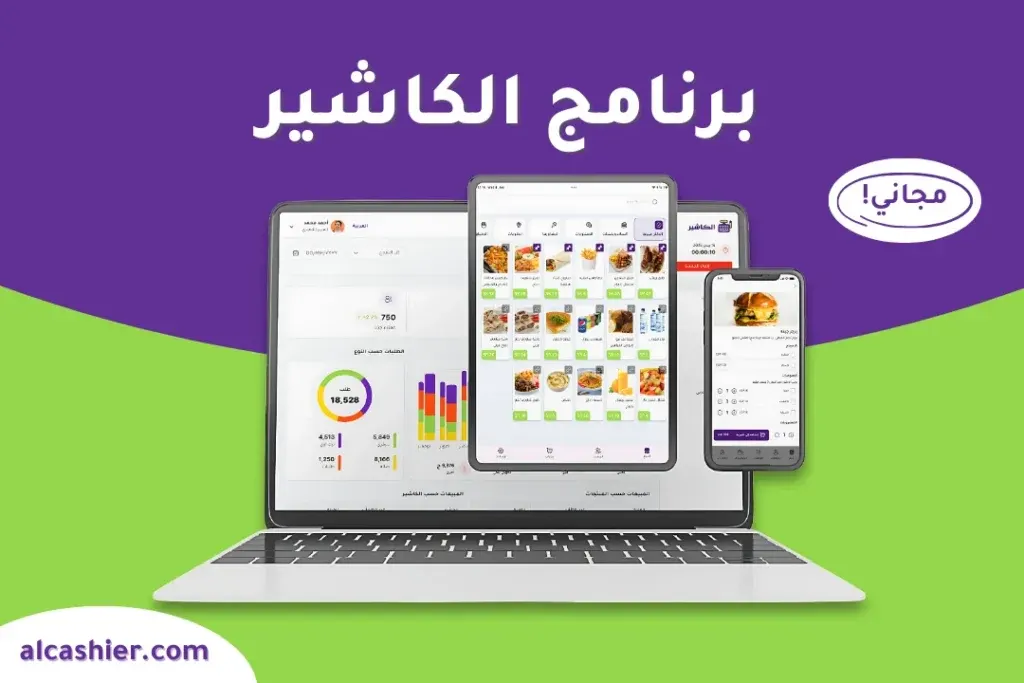
POS software: the complete guide to getting your store ready for success in Saudi Arabia (2026)
The retail and hospitality sector in the Kingdom is experiencing an unprecedented wave of digital acceleration. Amid this momentum, getting a POS software is no longer…
The best POS software in Saudi Arabia: a complete guide for merchants and entrepreneurs
With the rapid digital development in Saudi Arabia and the Arab region, point-of-sale (POS) systems have become one of the most important tools that…
The post POS and artificial intelligence: are we entering the era of smart restaurants? appeared first on Alcashier POS.