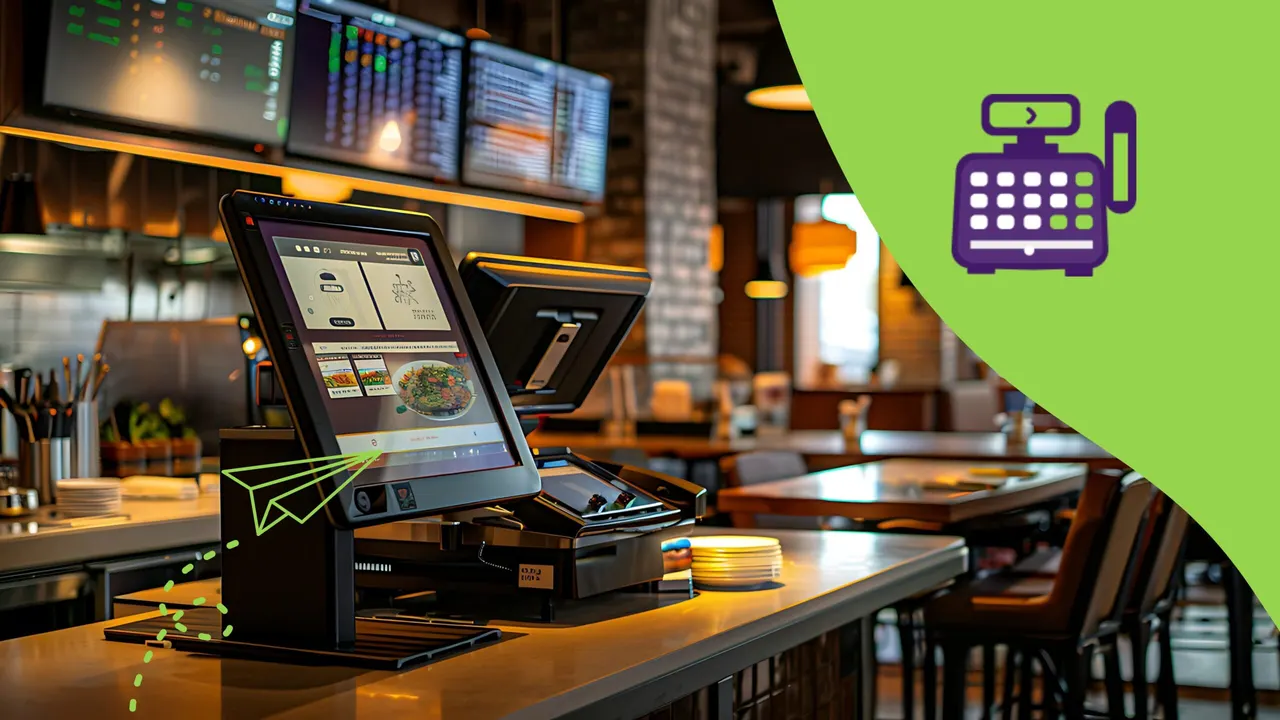
Improving the customer experience in restaurants is no longer a side task; it has become essential to success in a fast-moving, competitive market. With the major digital transformation in the restaurant sector, relying on point of sale (POS) systems has become a vital part of building a smooth, fast and effective customer experience. These systems play a central role in managing operations, reducing congestion, speeding up service and directly improving customer satisfaction.
In this article, we review the top 5 ways POS systems improve the customer experience in restaurants, based on the latest technologies and global trends. We also highlight the role of Alcashier as one of the leading systems behind these improvements.
1. Speed up ordering and payment and cut waiting time
One of the most important factors affecting customer satisfaction is speed of service, which is central to building a successful restaurant experience. A study by the National Restaurant Association confirms that 70% of customers prefer restaurants that offer faster, smoother service, which means that investing in speeding up operations is no longer an optional extra but a strategic necessity.
Modern POS systems improve speed through integrated management of every stage of service, from taking the order to handing it to the customer, which reduces waiting time and improves order accuracy.
How do POS systems help speed up service?
- Processing orders in real time, with less delay caused by passing information along.
- Sending orders straight to the kitchen with no go-between, which reduces crowding at the cashier.
- Reducing errors caused by manual entry thanks to clearer interfaces.
- Supporting mobile and tablet devices so staff can move between tables and take orders more flexibly.
- Improving internal workflow by connecting different departments such as the cashier, the kitchen and floor service.
- Tracking and analyzing waiting times to identify peak hours and make better operational decisions.
The Alcashier software offers advanced technology for managing orders at high speed, whether in the dining room or through external orders and delivery, with additional capabilities for analyzing performance and continuously identifying where to improve.
2. Improve order accuracy and reduce human error
Order mistakes are among the things that annoy customers most and directly affect their ratings of the restaurant, especially in an era when restaurants rely heavily on digital reviews. When a customer receives the wrong order, even a minor one, it leaves a negative impression that may keep them from coming back. According to the Toast POS Report, a single order error can cost a restaurant between 5 and 10 dollars, on top of the negative effect on the customer experience, the potential loss of their loyalty and the chance of negative online reviews.
Other reports also indicate that 60% of customers consider order accuracy the most important criterion for judging the quality of a restaurant experience. As a result, restaurants increasingly need systems that guarantee orders are fulfilled accurately without relying heavily on human memory.
The role of POS systems in reducing errors:
- Easy-to-use interfaces that reduce staff confusion, especially for new employees who need to learn the system quickly.
- Clear display of order details in the system, with the ability to add notes and choices easily.
- Connecting the system to kitchen display screens to ensure correct, fast preparation, which reduces errors caused by verbal communication.
- Standardizing prices and offers to avoid inconsistencies between branches or between staff on different shifts.
- Recording every change made to an order, which helps trace errors and identify their source.
- The ability to create “order bundles” or preset options, which reduces the chance of forgetting ingredients.
Alcashier helps restaurants keep order accuracy high thanks to its easy interface and smart synchronization systems, making the process smoother and reducing the chance of any glitch.
3. Personalize the customer experience with data and analytics
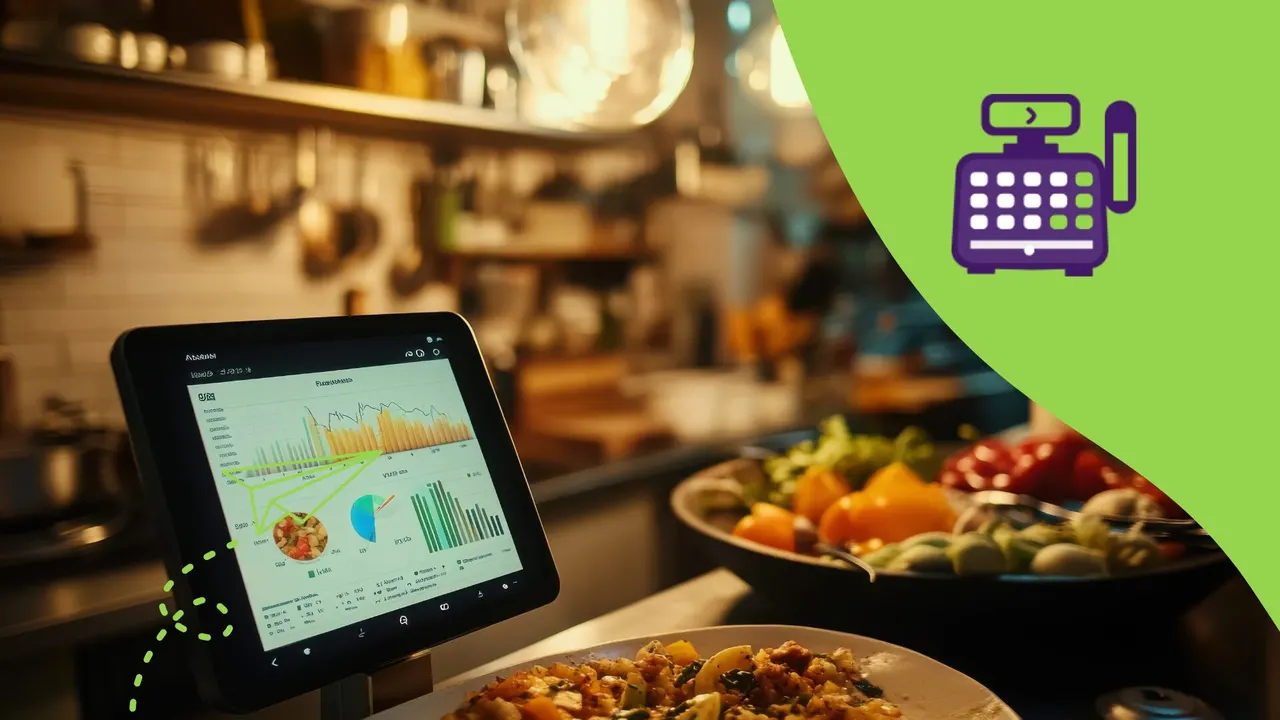
In the age of personalized experiences, customers like to feel that the restaurant knows their preferences and remembers their previous choices. This feeling does not happen by chance; it comes from using data analysis intelligently inside the POS system. Every interaction between the customer and the restaurant, whether through past orders, preferences or feedback, becomes an important source for building a more personal experience.
Modern POS systems help turn raw data into practical insights that can be relied on to improve service, enabling the restaurant to deliver a unique experience that makes the customer feel valued.
How do POS systems help improve personalization?
- Collecting data on past orders and analyzing recurring purchase patterns.
- Creating profiles for regular customers that include their preferences and order history.
- Suggesting dishes that suit the customer’s behavior and preferences based on the data.
- Designing targeted loyalty campaigns tied to customer behavior that encourage them to return.
- Sending personal offers tailored to favorite dishes or the time the customer usually visits the restaurant.
- Tracking customer ratings and reactions to improve the experience over time.
A statistic from McKinsey indicates that companies that use data to improve the customer experience increase their sales by up to 20%, and also grow customer loyalty over the long term thanks to the personalized experience they receive.
The Alcashier system supports detailed reports and analytical intelligence that help restaurant owners make precise decisions, understand customer behavior more deeply and keep improving the customer experience through clear, easy-to-read data.
4. Support modern payment methods for greater convenience
Customers today do not want to stand for long at the cashier or deal with traditional payment methods only. The major advances in financial technology have led customers to expect fast, smooth and secure payment options on every visit to the restaurant. Statista data indicates that more than 60% of customers in the Middle East prefer digital payment, a share that grows every year as e-wallets spread and smartphones are adopted.
It is also important to note that offering a variety of payment options does not only improve the experience; it also raises the conversion rate and reduces crowding at the cashier, especially at peak times. Some customers even treat the absence of digital payment as a sign that the restaurant is “behind technologically”, which affects their overall impression.
Payment methods supported through POS systems:
- Payment via Apple Pay and Google Pay.
- Payment by bank cards.
- Payment via digital wallets.
- Contactless payment.
- The ability to save payment methods for regular customers to speed up payment on later visits.
The more payment options there are, the more satisfied the customer is and the more likely they are to return, especially when they feel that paying is easy and free of complications. Alcashier stands out by supporting all advanced payment methods, with fast invoice processing and full integration with digital payment gateways to ensure a flexible, secure experience for customers.
Manage your sales and inventory in seconds with Alcashier!
Control sales, inventory and users in moments, and give your business an integrated system that runs smoothly without complexity.
Create your store for free5. Improve the customer experience through table and waitlist management
Table management has become an important element in reducing congestion and smoothing the flow of the restaurant experience, especially as customer expectations rise around how quickly they are seated and how well things are organized. The experience does not begin when the food is served but from the moment the customer walks in and moves from waiting to being seated, which makes table management an influential factor in the first impression.
How do POS systems improve table management?
- Showing an interactive table map that helps staff monitor occupancy in real time.
- Estimating how long guests will stay based on the type of order or party size, which helps plan waiting times better.
- Organizing waitlists accurately, with the ability to send customers alerts when a table becomes available.
- Strengthening communication between staff by linking the dining room with the kitchen and the cashier for better coordination of service.
- Optimizing table allocation to make effective use of space and reduce crowding.
- Tracking table statuses (empty, reserved, being cleaned) to speed up table turnover.
These features ensure an organized experience, especially at peak times, when controlling the flow of customers becomes essential to delivering fast, comfortable service.
The role of digital transformation in developing the restaurant sector
The restaurant sector is undergoing a broad digital transformation that is reshaping the way it works and directly affecting customer expectations. Technology now plays a fundamental role at every stage of operations, from receiving orders to managing back-office processes. With the continuous growth in the number of people using apps and digital payment services, restaurants are expected to provide an integrated digital experience that matches these behavioral shifts.
Technology is no longer an optional extra but an essential element for restaurants to survive in a highly competitive market, as recent reports indicate that more than 80% of customers prefer dealing with restaurants that offer advanced digital services such as ordering via tablets, electronic payment and real-time order tracking. This shift not only improves the customer experience but also raises operating efficiency and lowers operating costs in the long run.
Key features of digital transformation in restaurants:
- Relying on cloud-based management systems.
- Using smart tools to analyze performance.
- Providing new ordering channels such as apps and websites.
- Improving service quality through automation.
Systems such as Alcashier play a central role in this transformation by providing a unified platform that makes it easier to manage every operation.
Why customer experience matters for loyalty
Global studies have shown that a satisfied customer is more than 70% more likely to return than one who did not have a satisfying experience, and some surveys indicate that customers who have a positive experience tend to give restaurants higher ratings, by more than 80%. Other research shows that 68% of customers stop visiting a particular restaurant because of just one bad experience, which reflects how sensitive customers are to the quality of the experience.
POS systems play an indirect but important role in building this loyalty, because they make the experience smoother and more organized, reduce errors and speed up service, making the customer feel that the restaurant cares about their experience and offers them a comfortable, professional environment.
What makes customer experience affect loyalty?
- Speed of service, which leaves a positive impression on the customer from the very first moment.
- Error-free orders, a key factor in building trust between the restaurant and the customer.
- Clear invoices and payment, which reduce confusion and give the customer a sense of comfort and transparency.
- Organized movement inside the restaurant, which reflects a level of professionalism and reduces stress for guests.
- The ability to personalize service, so the customer feels the restaurant remembers their preferences and treats them as special.
- Keeping the quality of the experience consistent on every visit, which strengthens the long-term relationship between the restaurant and the customer.
All of these elements depend fundamentally on a strong technical foundation like the one offered by the Alcashier software, as the system enables restaurants to deliver a more consistent, higher-quality experience, thereby raising loyalty rates and turning new customers into regulars.
The future of POS systems in restaurants
Recent trends indicate that the future is heading toward more automation and integration between systems, with a major expansion in the role of artificial intelligence and machine learning inside restaurants. Experts expect POS systems to become the restaurant’s “operational brain”, managing the different parts of the business with precision and intelligence.
The future of POS includes:
- Using artificial intelligence to forecast demand more accurately, which helps optimize inventory and reduce waste.
- Deeper analytics of customer behavior based on larger datasets and more advanced predictive models.
- Full integration between sales, inventory, finance and human resources for more centralized, intelligent management.
- Smarter, more flexible payment systems that support fingerprints, facial recognition and automatic payment without needing to go through the cashier.
- Self-service capabilities inside restaurants such as smart printers, service robots and self-ordering systems.
- Support for augmented and virtual reality in staff training or in showing dishes and interactive experiences.
These developments ensure a smoother experience and higher quality for customers, and allow restaurants to work more efficiently, make precise data-driven decisions and anticipate customer needs instead of merely responding to them.
Frequently asked questions (FAQ)
Do POS systems actually help improve customer satisfaction?
Yes, modern restaurants rely heavily on POS systems that cut waiting time, increase order accuracy and support fast payment, which feeds directly into customer satisfaction. While many systems offer these functions, the Alcashier software stands out by combining all these tasks in one integrated system, so its role is not limited to speeding up service but extends to improving the customer experience by providing an easy interface for staff and keeping operations smooth even at peak times.
Is Alcashier’s point of sale software suitable for all types of restaurants?
Yes, it can be used in small and large restaurants, cafés and food trucks, and it is highly flexible, adapting to the nature of each business, whether it offers quick service or table service or operates in a mobile environment. The system also helps startup owners manage their operations easily without the need for complicated equipment.
Do restaurants rely on data to improve the customer experience?
Yes, data analysis has become an important tool for personalizing service and increasing sales, as it allows systems to collect and understand customer behavior more precisely, which helps provide more accurate recommendations, develop offers that target customers’ actual needs and deliver a more distinctive experience for every guest.
Can the system work without internet?
Yes, many systems, including the Alcashier software, support offline mode, which keeps service running without interruption even when the network is weak or the internet is completely down. The system records all operations locally and then automatically syncs them with the cloud as soon as the connection returns, which prevents data loss and keeps work running very efficiently.
Manage your sales and inventory in seconds with Alcashier!
Control sales, inventory and users in moments, and give your business an integrated system that runs smoothly without complexity.
Create your store for freeConclusion
POS systems have become an essential part of the modern restaurant industry. They not only help improve internal operations but also play a direct role in raising customer satisfaction, increasing efficiency, reducing errors and delivering a smooth, fast experience. With competition intensifying in the food and beverage sector, restaurants need a strong technical foundation that ensures consistent quality on every visit and gives customers an experience marked by speed, accuracy and comfort.
POS systems also help improve communication between staff and provide precise operational insights that help managers make strategic, data-driven decisions, which is reflected in the level of service. These systems also tie all the elements of operations together to ensure greater smoothness and less waste.
With a system like Alcashier, restaurants can achieve real progress in the customer experience and build long-term loyalty based on trust, consistency of service and an integrated experience that meets customers’ growing expectations.
The best ways to manage inventory in restaurants and supermarkets
Managing inventory in restaurants and supermarkets is not just a matter of organizing products; it is central to a business’s success and continuity. Any mistake…
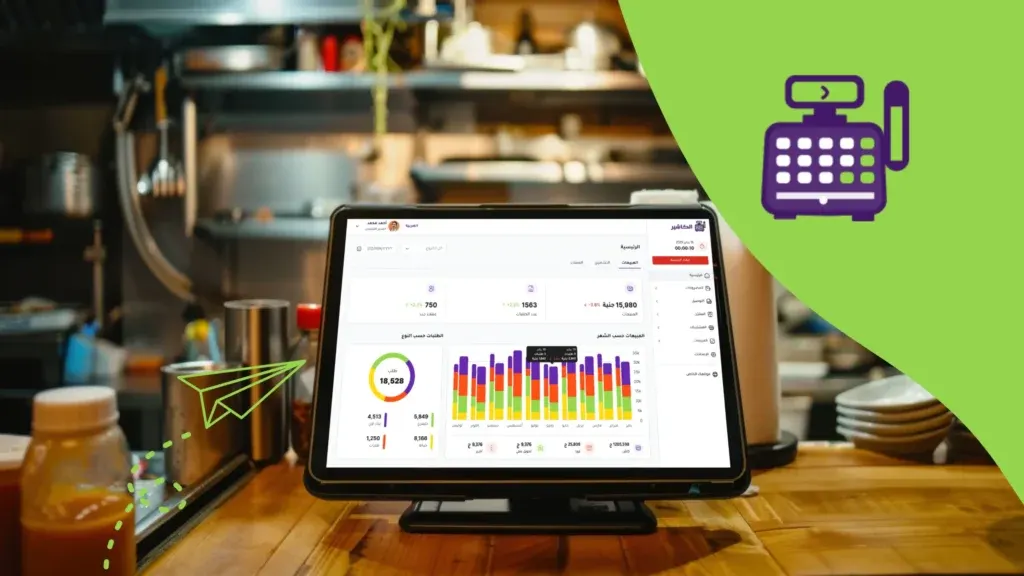
Free cashier software for PC: your complete guide to choosing the best sales management system
The retail and restaurant sector in Saudi Arabia is developing rapidly thanks to digital transformation, which makes the need for free cashier software for PC something…
Download complete supermarket software for free: your guide to choosing the right system
Supermarket management software has become a basic necessity for any store that wants to achieve high operating efficiency and keep close track of inventory and sales…
The post 5 ways POS systems improve the customer experience in restaurants appeared first on Alcashier.