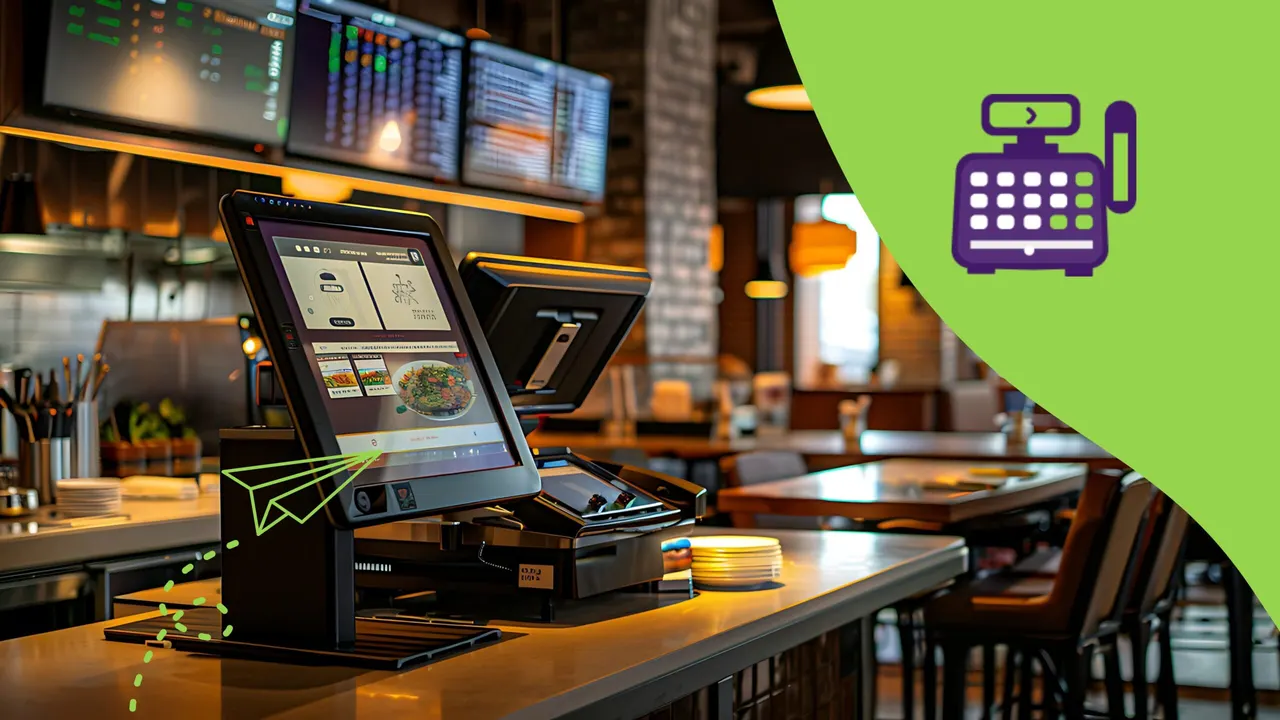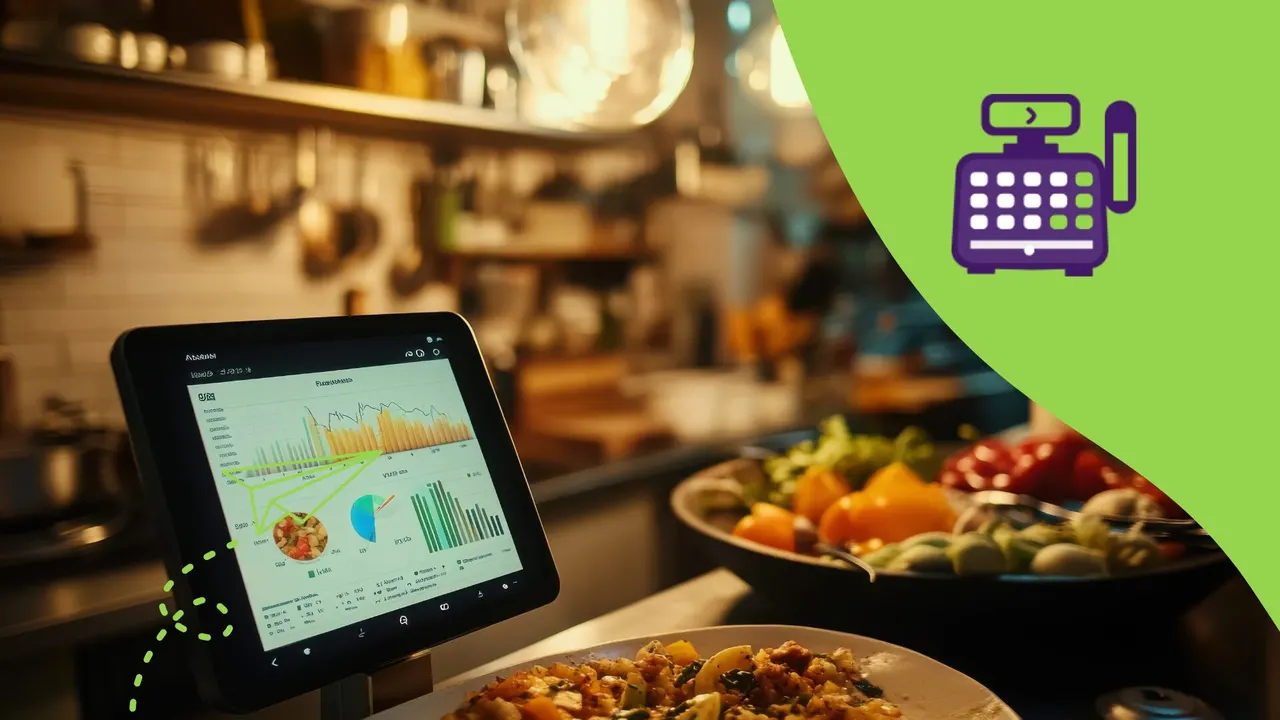
Inventory management in restaurants and supermarkets is not just about organizing products; it is a pivotal element of a business's success and continuity. Even a small error in stock quantities can lead to shortages of essential products, food waste, financial losses, or even a loss of customer trust. With technological progress and the arrival of modern (POS) systems, inventory management has become easier and more accurate, especially with smart solutions like Alcashier which provides professional tools for tracking inventory in real time.
In this guide, we present the best practical methods for managing inventory in restaurants and supermarkets, backed by recent statistics, global practices, and links to trusted references.
Why inventory management matters for restaurants and supermarkets
Inventory management is not an option but a necessity for operating efficiently. Global statistics indicate that:
These figures reflect the importance of a strong inventory management system that helps improve operations and reduce losses, and this is where the role of systems like AlCashier comes in, supporting businesses with accurate information and advanced analytics.Effective inventory management methods for restaurants and supermarkets
1. Use an integrated POS system to manage inventory
A modern POS system is no longer just a tool for completing sales; it has become a hub for managing operations. Systems like Alcashier provide:
- Automatic updating of stock quantities after every sale.
- Alert notifications when stock runs low.
- Online and offline support to ensure continuity.
- Analytical reports that help you make better decisions.
Using a POS system is the basic building block of accurate and effective inventory management.
2. Apply perpetual inventory counting
Perpetual inventory means tracking stock movement daily, not just at the end of the month. This method reduces errors and gives you an instant view of:
- Best-selling products
- Daily consumption levels
- Actual quantities available
This makes perpetual inventory the best option for restaurants that rely on fresh, perishable ingredients.
3. Apply FIFO and FEFO
Applying these systems is extremely important, especially for restaurants:
- FIFO (First In, First Out): the product that enters the store first should leave first.
- FEFO (First Expired, First Out): the product that expires first should be used first.
These methods contribute to:
- Reducing waste
- Improving food quality
- Cutting losses caused by spoiled products
4. Analyze demand and forecast sales
Sales forecasts help you know the right quantities to buy, especially ahead of seasons like Ramadan or the weekend.
A study by McKinsey indicates that using accurate forecasts reduces waste by 20–50% in the food sector.
Systems like Alcashier provide smart reports based on sales analysis, making it easier to forecast the quantities needed.
5. Set minimum and maximum stock levels
Setting a minimum level for each product prevents stockouts and keeps the business running. The maximum level prevents buying excess quantities that cause waste and tie up cash.
In supermarkets, this approach helps organize storage space, and in restaurants it helps control perishable items.
6. Train staff on inventory management
Even the best systems do not work efficiently without training staff on:
- Entering accurate data
- Monitoring stock levels
- Improving storage methods
- Handling sensitive items such as meat and dairy
Internal awareness is a key element of successful inventory management.
7. Monitor waste and analyze the causes of loss
Waste can happen because of:
- Spoiled food
- Poor storage
- Preparation errors
- Inaccurate purchase estimates
Preparing waste reports helps you find the root of the problem and take corrective action.
8. Standardize measurements and quantities
One of the biggest mistakes in restaurants is using inconsistent portion quantities. Standardizing measurements helps:
- Reduce variation between dishes
- Cut costs
- Improve the customer experience
Example: specify that each dish needs 150 grams of chicken instead of relying on an inconsistent estimate.
9. Use barcode and QR technologies
Barcodes speed up stock counts and reduce human error. Systems like Alcashier support barcode scanning and update quantities directly.
10. Improve storage and create a suitable environment
Poor storage causes major losses. It is important to:
- Maintain suitable temperatures
- Use shelves dedicated to food items
- Separate items that transfer odors
- Arrange the storeroom so older items are easiest to reach first
The main inventory management challenges
Restaurants and supermarkets face several challenges, the most important being:
- Price fluctuations
- Seasonal changes in demand
- Items reaching expiry
- Busy seasons
- Poor estimation of quantities
- Adopting technology solutions helps overcome these challenges more effectively.
How Alcashier helps manage inventory
The Alcashier system offers practical solutions to raise inventory management efficiency through:
- Accurate, real-time inventory tracking
- Automatic stock counts and a direct link to sales
- Smart alerts when items run low
- Support for multiple devices (computer, tablet, mobile)
- Detailed reports that support decision-making
- Works online and offline without interruption
This makes Alcashier an ideal choice for restaurants and supermarkets looking to digitize their operations.
Conclusion
Inventory management is the cornerstone of business continuity in restaurants and supermarkets. Following the right methods, such as perpetual inventory, forecasting systems, and applying FIFO and FEFO rules, along with using advanced technology tools like Alcashier, ensures the highest levels of efficiency, less waste, and better profitability.
Investing in inventory management is not an extra cost; it is a direct investment in the success and sustainability of the business.
Download complete supermarket software for free: your guide to choosing the right system
Supermarket management software has become a basic necessity for any store that wants to achieve high operating efficiency and keep close track of inventory and sales…
Cashier salary in Saudi Arabia: a complete guide to pay and career paths
Cashier salary in Saudi Arabia is one of the topics most searched by job seekers in retail, restaurants, cafés, and markets…
Free restaurant management software: your guide to choosing the best system to support your restaurant's growth
The restaurant industry is evolving rapidly and relying more and more on digital tools that help business owners improve operational efficiency and reduce errors…
The post The best ways to manage inventory in restaurants and supermarkets appeared first on Alcashier.