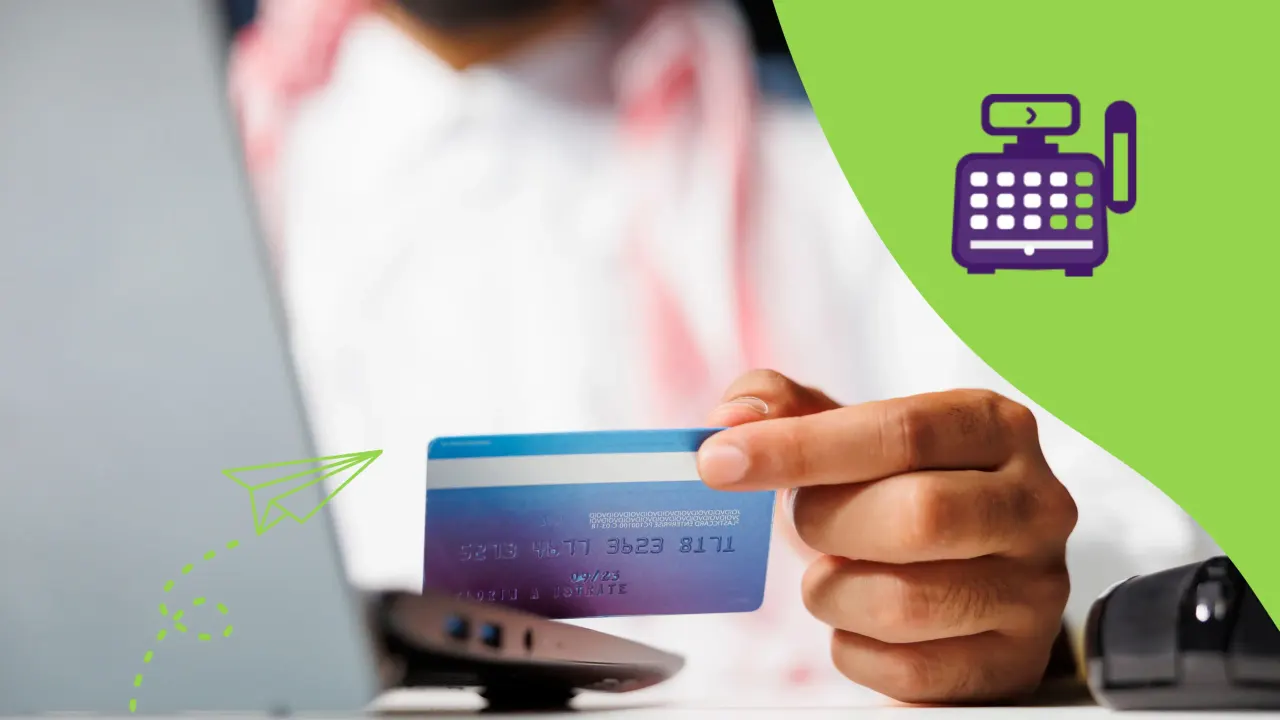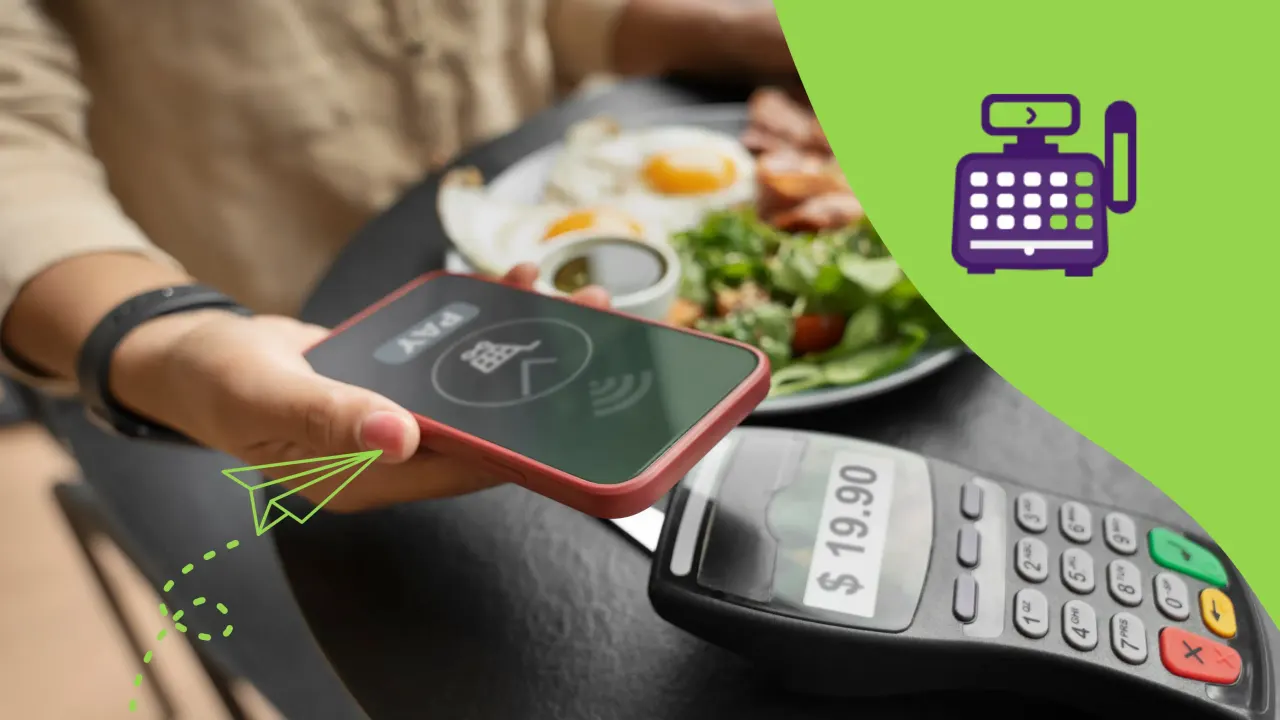
In recent years, Saudi consumer behavior has changed noticeably, especially with the acceleration of digital transformation and Saudi Vision 2030, which focused on strengthening the retail and services sector and expanding e-commerce. The Saudi customer has become more aware of modern technologies, and more eager for smooth, fast shopping experiences that are not limited to the moment of payment, but extend across the whole shopping journey, from choosing the product to receiving it. Speed and flexibility in payment are no longer just an added feature. They have become a basic requirement that determines how satisfied and loyal a customer is to a store, and a decisive factor in competition between different brands in the growing Saudi market.
Digital shifts in the Saudi market
According to the Communications, Space and Technology Commission (CITC) report for 2024, the share of electronic payments reached more than 94% of all purchase transactions in the Kingdom [CITC]. Payments through digital wallets such as STC Pay and Apple Pay also grew by more than 200% over the past three years, with a sharp rise in the use of mobile payments and payments via QR codes. Estimates suggest that nearly half of Saudi young people under thirty prefer these modern solutions to traditional cards. These figures confirm that Saudi consumers now prefer digital payment methods to traditional cash, not only for comfort and speed, but also because they reflect a modern lifestyle in line with the Kingdom’s comprehensive digital transformation.
Why does the Saudi customer prefer fast payment?
- A smooth experience: Long queues have become an obstacle to customer satisfaction, and with growing competition, even a delay of a few minutes may push a consumer to look for faster alternatives. Fast payment systems cut waiting time and increase store throughput, and they also give the customer a positive impression that the store cares about its customers’ comfort.
- The shift to e-commerce: With the rise in online shopping and growing use of delivery apps, customers now expect the same level of speed in the physical store. If they can finish paying online in seconds, they expect that experience to carry over to the real world without extra complications.
- Fit with lifestyle: Today’s Saudi consumer relies heavily on smartphones and apps, and so expects instant, flexible payment solutions such as paying by phone or through digital wallets. This flexibility strengthens their sense of control and makes them more loyal to a store that offers every modern option without restrictions.
The importance of payment flexibility
It is no longer enough for a store to accept only a Mada card. It has become necessary to offer multiple options such as:
- Credit and debit cards (Visa, Mastercard, Mada), which remain a main choice for many customers in large and mid-sized purchases.
- Digital wallets such as STC Pay, Apple Pay, and Google Pay, which are seeing growing uptake, especially among young people who prefer to use their smartphones rather than carry cards.
- Payment through links or QR codes, a feature that has become common in stores and restaurants for its speed and ease in fast-service environments.
- Installment payment services or “buy now, pay later” (BNPL), which have started to spread in the Kingdom and meet customers’ need for greater financial flexibility.
Systems such as Alcashier support this flexibility, allowing the merchant to accept all payment methods through a single integrated platform, which makes things easier for the customer and raises satisfaction, and even increases purchase conversion rates and strengthens customer loyalty in the long term.
Speed and flexibility as competitive factors
According to a report by (McKinsey) on the future of retail in the Gulf for 2023, 70% of customers say a fast, flexible payment experience directly affects their decision to buy from the same store again. This means any delay or complication in payment can lose you the customer, especially in a competitive environment where new brands keep entering.
The Saudi customer is not only looking for the best product, but also for the most efficient and smoothest experience, from how fast the card or phone is tapped to issuing the invoice instantly and without errors. They want to feel that the store is investing in modern technologies that meet their growing expectations. This is where smart POS systems such as Alcashier come in, combining speed and accuracy and giving the merchant advanced tools for managing sales, such as tracking key performance indicators (KPIs), managing multiple branches, and improving the payment experience in line with global standards.
The role of modern POS systems
Point-of-sale (POS) systems are no longer limited to recording financial transactions. Today they are integrated platforms for managing the store, offering a wide range of advanced features that cover operational, analytical, and administrative aspects:
- Fast payment processing in a matter of seconds, supporting all traditional and modern payment methods.
- Inventory integration to avoid running out of products, with smart alerts when quantities run low, and a direct link to vendors for automatic reordering.
- Real-time reports that help you make faster decisions through interactive dashboards showing performance indicators, sales levels, and the most requested items.
- Offline mode support to keep service running even when the internet drops, with transactions recorded locally and synced automatically when the connection returns.
- Staff management by tracking working hours and individual sales, which strengthens internal control.
- Integration with online channels such as online stores and delivery apps, to create a unified customer experience.
These features make investing in a POS system a strategic step for any store or restaurant that wants to keep up with Saudi customers’ expectations, not only in payment but in improving overall performance and increasing the ability to compete in the local and regional market.
Statistics and their role in strengthening the trend
- According to the Saudi Central Bank (SAMA), payments through the Mada system passed the 10 billion transaction mark in 2023 [SAMA]. Official reports indicate that the total value of payments made through Mada reached trillions of riyals, reflecting wide adoption by individuals and companies alike.
- More than 80% of Saudi consumers prefer electronic payment to cash [Statista], and the share is especially high among university students and entrepreneurs who rely on digital wallets and banking apps every day.
- The Kingdom aims for 70% of all transactions to be cashless by 2030, in line with the directions of Vision 2030 and strengthening Saudi Arabia’s position as one of the leading countries in adopting modern payment systems in the region.
The Saudi customer is not only looking for the best product, but also for the most efficient and smoothest experience, from how fast the card or phone is tapped to issuing the invoice instantly and without errors. They want to feel that the store is investing in modern technologies that meet their growing expectations. This is where smart POS systems such as Alcashier come in, combining speed and accuracy and giving the merchant advanced tools for managing sales, such as tracking key performance indicators (KPIs), managing multiple branches, and improving the payment experience in line with global standards.
Challenges facing traditional stores
Despite this major shift, some stores still suffer from a set of obstacles that limit their ability to keep up with change, such as:
- Relying on slow traditional systems that do not provide accurate reports or in-depth analytics.
- Not offering multiple payment options to suit different customer segments, which leads to lost sales opportunities.
- Weak integration of systems with online stores and delivery apps, which reduces the merchant’s ability to offer customers a unified experience across all channels.
- Limited security and reliance on outdated solutions that may expose data to the risk of breaches or loss.
- High maintenance and running costs for old systems, with little flexibility for development or upgrades.
Overcoming these challenges requires investing in modern solutions such as Alcashier, which combine speed, flexibility, and security, and give the merchant advanced tools that help raise operational efficiency and improve the customer experience overall.
Summary
The Saudi customer today does not wait. Speed and flexibility in payment have become a yardstick for judging a store, and one of the secrets of success in a fast-evolving, competitive market. The smart merchant is the one who invests in advanced systems such as Alcashier, which keep pace with change and put customer comfort first, while ensuring business continuity, customer satisfaction, and stronger loyalty. And with the expanding use of digital payments in the Kingdom, investing in flexible solutions is an investment in the store’s future and the sustainability of its growth in the local and regional market.
Frequently asked questions (FAQ)
1. Why does the Saudi customer prefer electronic payment?
Because it is faster, safer, and reflects the digital lifestyle they live today. It also offers extra advantages such as contactless payment by phone or watch, tracking expenses through banking apps, and getting refunds easily when needed. And with support for global security standards (such as transaction encryption and PCI DSS compliance), customers feel more confident than with cash transactions.
2. Do POS systems work without internet?
Yes, systems like Alcashier support offline mode to keep service running, where transactions are recorded locally and synced automatically when the connection returns, with no data loss. This lets you keep selling, printing invoices, and running barcode scanners, with notifications about payment status shown after syncing.
3. What are the most common payment methods in Saudi Arabia?
Mada, digital wallets such as STC Pay, payment through Apple Pay and Google Pay, in addition to credit/debit cards (Visa and Mastercard), “buy now, pay later” (BNPL) options in some stores, and payment through QR codes and payment links.
4. How does the payment experience affect customer loyalty?
The faster, more flexible, and clearer the payment process, the higher the satisfaction and repeat purchase rates. Fewer payment steps, support for all methods, and an instant invoice with clear return policies—all of these reduce cart abandonment and encourage the customer to come back and recommend the store to their friends.

Saudi cafés between local identity and modernity: how POS systems support them on the journey of transformation
Cafés in Saudi Arabia have seen an unprecedented leap in quality in recent years, becoming more than just places to serve coffee and tea.…

The main POS features that improve the customer experience
In the modern business world, competition is no longer limited to prices or product quality, and improving the customer experience has become…

The best point-of-sale systems to manage your store professionally
In today's world of commerce, a store's success no longer rests only on product quality or good customer service. It has become…
The post The Saudi customer today: why have speed and payment flexibility become a priority? appeared first on Alcashier.