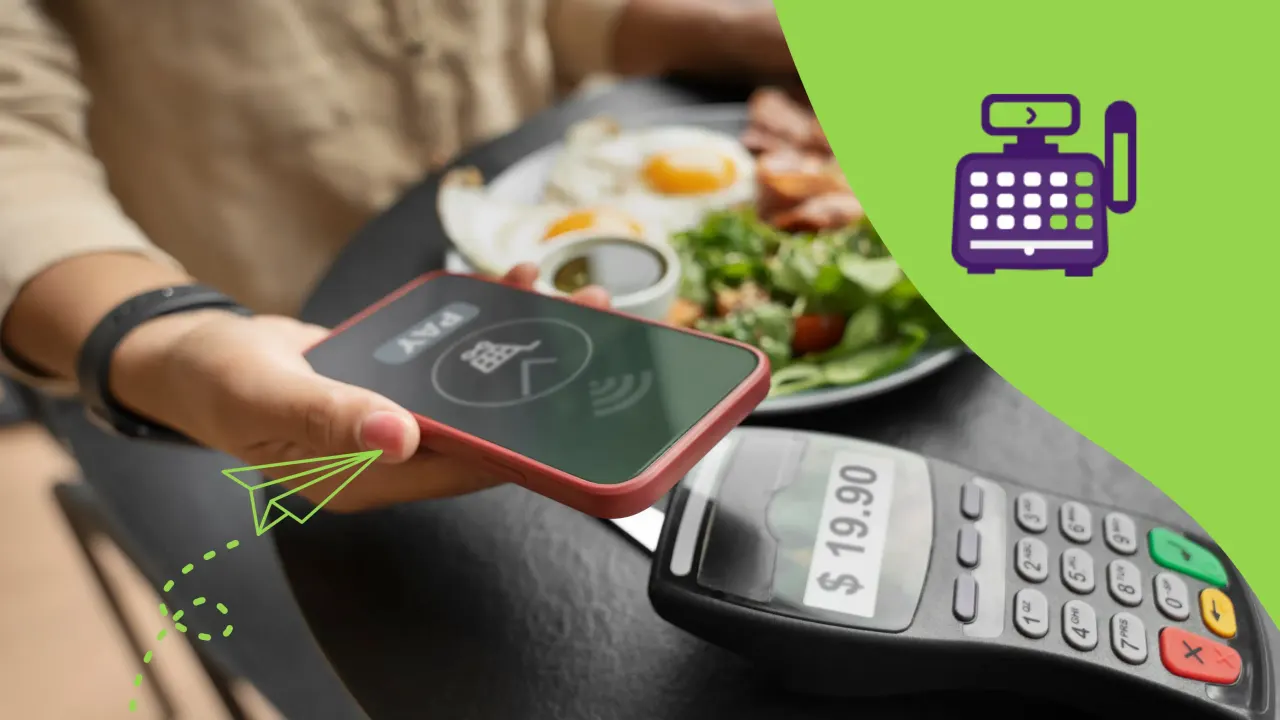
Saudi National Day is an exceptional occasion where feelings of belonging and pride blend with celebration, and it is also a season of unprecedented economic and commercial activity, as streets and shopping centres turn into vibrant spaces where buying and selling pick up like never before. On this day, shopping and consumption patterns change noticeably; consumers tend to buy symbolic products that express national identity, and they flock to the seasonal offers and special discounts that stores of all kinds provide. All of this makes point-of-sale (POS) data a vital tool for understanding Saudi consumer behaviour and trends more deeply and in more detail, especially when compared with data from ordinary days.
With the rise of digital transformation and the spread of electronic payment, systems like Alcashier can provide accurate, comprehensive analytics that help merchants and decision-makers make the most of this day, not only by knowing sales volume, but by tracking consumer trends, spotting the golden hours for buying and analysing the most used payment methods, opening broader horizons for strategic planning and higher returns.
Why studying Saudi National Day sales matters
Analysing this day's sales is not just tracking numbers; it is a strategic way to understand deep trends in the local market and notice rapid shifts in consumer behaviour. It allows a multi-dimensional reading that includes:
- The size of purchasing power and total spending compared with ordinary periods.
- The most popular product types and the influence of cultural and national elements on consumer choice.
- The effect of offers and discounts on consumer decisions and how responsive consumers are to digital and traditional marketing campaigns.
- Changes in payment methods (mada, digital wallets, cards) and a comparison of how much they are used across sectors.
- Differences between major cities and other regions in growth rates and demand.
According to a report by the General Authority for Statistics (GASTAT), retail sales rise noticeably on national occasions, with some sectors seeing increases of more than 30% compared with ordinary days. Additional data also indicates that some activities, such as restaurants and entertainment, may achieve several times their average daily sales, making this occasion an important economic indicator for decision-makers and merchants alike.
Saudi consumer behaviour on National Day
1. Best-selling products
POS readings during the Saudi National Day season show consumers blending nationally themed items with purchases aimed at gifts and group celebration:
- National clothing and flag-decorated accessories (T-shirts, scarves, caps, pins and limited editions), with higher demand for family sizes and “dad + mom + kids” bundles.
- Electronics and perfumes (headphones, smart accessories, oriental perfumes and incense), often bought as gifts within pre-set budgets.
- Food and beverages, with family deals and short-term subscriptions (coffee + dessert/snack) favoured.
- Gifts and souvenirs (National Day–themed boxes and gifts, greeting cards, mugs and notebooks), along with flowers in the national colours.
- Entertainment and events (tickets to shows, fireworks and concerts), which boosts POS transactions at mobile kiosks and gathering spots.
- Delivery-related services; app orders rise ahead of the evening peak hours and require close integration with inventory and operations.
2. The impact of offers and discounts
Seasonal offers are a key driver of purchase decisions, and they succeed more when designed around the behaviour of the channel and the audience:
- Percentage and fixed-value discounts (20%, 2+1, digital coupons), showing the before/after price.
- National Day bundles: smart grouping (national outfit + accessories + a symbolic gift) to raise the average basket.
- Loyalty programmes and digital vouchers: double points on the day of the occasion or instant rewards when a set spending threshold is reached.
- Flash sales and countdowns on digital channels to speed up conversion.
- Omnichannel experience: consistent prices and offers between the physical and online store reduce drop-off and build trust.
A KPMG report reveals that 65% of Saudi consumers prefer to shop during national occasions because of the discounts, and market readings show that offers tied to national identity perform better when paired with a visually rich store experience (colours and sound identity).
3. Payment channels
Payment methods have seen a clear shift that supports fast collection and a smooth customer experience:
- mada remains the most widespread, with contactless support and high reliability at points of sale.
- Apple Pay and STC Pay are growing quickly, especially among mobile shoppers.
- Buy now, pay later (BNPL) for medium and high-value purchases, which lifts conversion in online channels and in store where it is supported.
- Declining reliance on cash in favour of wallets and digital payments.
- Payment links/QR codes to ease payment in queues and at mobile points of sale at event venues.
The role of POS systems in data analysis
1. Real-time data collection
Systems like Alcashier enable merchants to collect accurate, instant data on every sale, including the product, price, time of purchase and payment method, with the ability to link it to the location of the transaction and the customer type (new or repeat). This accuracy helps build a complete picture of the customer lifecycle and their buying experience on National Day.
2. Pulling detailed reports
Advanced reports are not limited to displaying numbers; they provide interactive analytics that help store owners deeply understand their daily operations. They show:
- The best times with high sales, with a peak chart.
- Products that sell out quickly, with alert notifications to reorder.
- Profit margins by branch, and performance differences between employees.
- Average basket value and the number of repeat purchases.
- A comparison between sales channels (physical store, online store, apps).
3. Supporting future decisions
By tracking Saudi National Day data year over year, merchants can build smart marketing strategies and improve offers to suit consumer needs. They can also forecast demand better using data forecasting techniques, adjust inventory in advance, and plan multichannel marketing campaigns that target different customer segments based on their historical behaviour.
Recent statistics on Saudi National Day
- In 2023, the restaurant and café sector recorded a 40% rise in sales during National Day (source: Arab News), with a notable increase in orders through digital and delivery channels compared with in-branch visits.
- More than 70% of payments were made electronically through mada and digital wallets, with growth in contactless payments via phones and smartwatches and a stable share for credit cards.
- Products tied to national identity such as flags and T-shirts made up roughly 25% of total retail sales, with stronger performance for categories with limited designs and special editions for children.
- POS readings point to a higher average basket value on National Day compared with ordinary days, thanks to bundle deals and family offers in the food and beverage and retail sectors.
- Peak hours are usually concentrated between evening and night ahead of shows and events, which shows up in checkout queues and service time, especially in restaurants and cafés.
- There is geographic variation between major cities (Riyadh, Jeddah, Dammam) and smaller cities in spending volume and conversion rate, which calls for adjusting inventory and staffing to each region's forecasts.
A methodological note: Exact figures may vary by sector, sample size and data source, but the general trend is consistent: rising digital sales and electronic payments, and a growing impact of seasonal offers on National Day.
Practical benefits for merchants
- Plan offers in advance: build a phased offers calendar (two weeks before the occasion, the week before, and the peak day), vary discount formats (percentages, fixed amounts, bundles) and tie them to national identity products and gift baskets.
- Boost modern payment methods: provide options like Apple Pay, STC Pay and “buy now, pay later”, and display the logos of accepted payment methods at the entrance, at the checkout point and on the last page of the online store to build trust and conversion.
- Manage inventory smartly: rely on POS systems to avoid stock-outs by setting reorder-level alerts, balancing inventory between high-traffic and low-traffic branches, and creating quick pick lists for the fastest-moving products.
- Active digital marketing: strengthen campaigns on social media before and during the occasion with visual content that carries the National Day identity, schedule ads around peak hours and activate local influencer partnerships.
- Flexible staffing: schedule shifts according to forecasts based on Alcashier reports, and assign extra checkout staff during peak hours to reduce waiting time and improve the customer experience.
- Omnichannel experience: unify prices and offers between the physical and online store, enable in-store pickup (Click & Collect), and provide smooth returns and exchanges during the peak period.
- Improve checkout points: prepare printers and e-invoices compliant with the requirements of the Zakat, Tax and Customs Authority (ZATCA), enable QR payment to speed up completion, and provide fast lanes for small orders.
- Real-time analytics and decision-making: monitor the live sales dashboard in Alcashier to adjust prices precisely (Markdown) or change product placement and boost shelf display as soon as demand is spotted.
- Quick A/B tests: try two versions of offers or designs on similar segments and measure the impact through conversion reports and average basket value to pick the best within the same day.
- After-sale communication: send thank-you messages and post–National Day come-back vouchers to increase repeat purchases, and collect customer reviews and use them to improve the experience in the future.
- Post-event review (post-mortem): analyse performance against targets and document lessons learned (successful products, pressure times, the fastest payment channels) to feed next year's plans.
The role of Alcashier in supporting merchants
Thanks to its integration with online stores and its offline mode support, Alcashier lets merchants work smoothly even during internet outages, with automatic data sync as soon as the connection returns, without losing any sale. It also offers tight integration with local payment systems like mada and digital wallets, and issues e-invoices compliant with ZATCA requirements. The system provides advanced analytics showing purchasing patterns and consumer trends by branch, channel and customer segment, with real-time dashboards and smart inventory alerts. This analytical depth contributes to better dynamic pricing, improved operational readiness and well-informed decisions that boost profitability on Saudi National Day and beyond, with full support for both Arabic and English, exportable reports and a local support team.
Conclusion
Analysing Saudi National Day sales reveals a lot about changes in local consumer behaviour, and it is a golden opportunity for merchants to boost their profits and improve their strategies, not only in the short term but also in building long-term relationships with their customers. By relying on advanced systems like Alcashier, understanding the Saudi market becomes clearer, as it lets you track repeat purchase patterns, monitor the impact of offers in real time and analyse different age and geographic segments. All of this helps businesses deliver more value to their customers, design personalised experiences that strengthen consumer loyalty, and ensure their success lasts in a growing competitive environment.
Frequently asked questions (FAQ)
1. Why do sales rise on Saudi National Day?
Spending rises because the occasion has a strong emotional and social character that moves families to celebrate through gifts, shopping and going out to restaurants and events. This spirit comes with time-limited seasonal offers that encourage immediate purchase, as well as extended working hours and crowded shopping centres. POS data also usually shows evening peaks ahead of shows and fireworks, and a higher average basket value because of bundles and gifts. All this makes demand more price-sensitive and increases e-commerce conversions supported by contactless payment.
2. Which sectors benefit most from National Day?
The impact is not limited to restaurants, cafés, clothing and electronics; it extends to perfumes and beauty products (as gift items), gifts and souvenirs, entertainment and events (tickets and bookings), and even logistics and delivery because of the jump in app orders. Multi-branch stores that unify their offers across channels and enable in-store pickup (Click & Collect) also benefit, which raises conversion rates and reduces customer drop-off.
3. Do Saudi consumers rely on cash payment on this day?
Reliance on cash is steadily declining in favour of mada, digital wallets, payment via Apple Pay and STC Pay, and “buy now, pay later” alternatives. This shift speeds up collection, reduces errors and improves the customer experience at the peak of the rush. Even so, offering a limited cash option remains useful for some segments, provided the system supports offline mode to guarantee continuity when the connection drops.
4. How can merchants make use of the data?
Benefit starts with POS reports: identifying peak hours to allocate teams, forecasting demand to adjust inventory, analysing SKUs to find the fastest-moving products, running A/B tests on offers and pricing, measuring the impact of advertising channels digitally (conversion rate and average basket), and building customer segments (new/repeat) to launch tailored loyalty campaigns after the occasion. Year-over-year comparisons also let you set realistic targets and improve planning for the following year.
5. What exactly is the role of Alcashier?
Alcashier provides an integrated set of tools for a successful National Day: real-time sales dashboards, smart alerts for inventory and nearly sold-out products, automatic sync after network outages, integration with mada, wallets and “buy now, pay later”, SKU/branch/channel analytics, exportable reports to track performance, and Arabic/English support with a local team. With this setup you can make faster decisions and raise profitability while keeping the customer experience smooth even at peak hours.
The Saudi customer today: why have speed and payment flexibility become a priority?
In recent years, Saudi consumer behaviour has changed noticeably, especially with the acceleration of digital transformation and the Kingdom's Vision 2030, which has focused on…

Saudi cafés between local identity and modernity: how POS systems support them on the journey of transformation
Cafés in Saudi Arabia have seen an unprecedented leap in quality in recent years, becoming more than just places to serve coffee and tea.…

The main POS features that improve the customer experience
In the modern business world, competition is no longer limited to prices or product quality, and improving the customer experience has become…
The post Saudi National Day sales analysis: what does POS data reveal about Saudi consumer behaviour? appeared first on Alcashier.