With the acceleration of digital transformation in business, point-of-sale (POS) systems have become more than a tool for completing a payment. They have turned into a comprehensive hub for managing sales, inventory, expenses and even staff. But before we dig into the advantages of modern systems, it is important to understand the difference between traditional and electronic POS, and what makes the latter the preferred choice for store and restaurant owners today.
Traditional POS
Definition
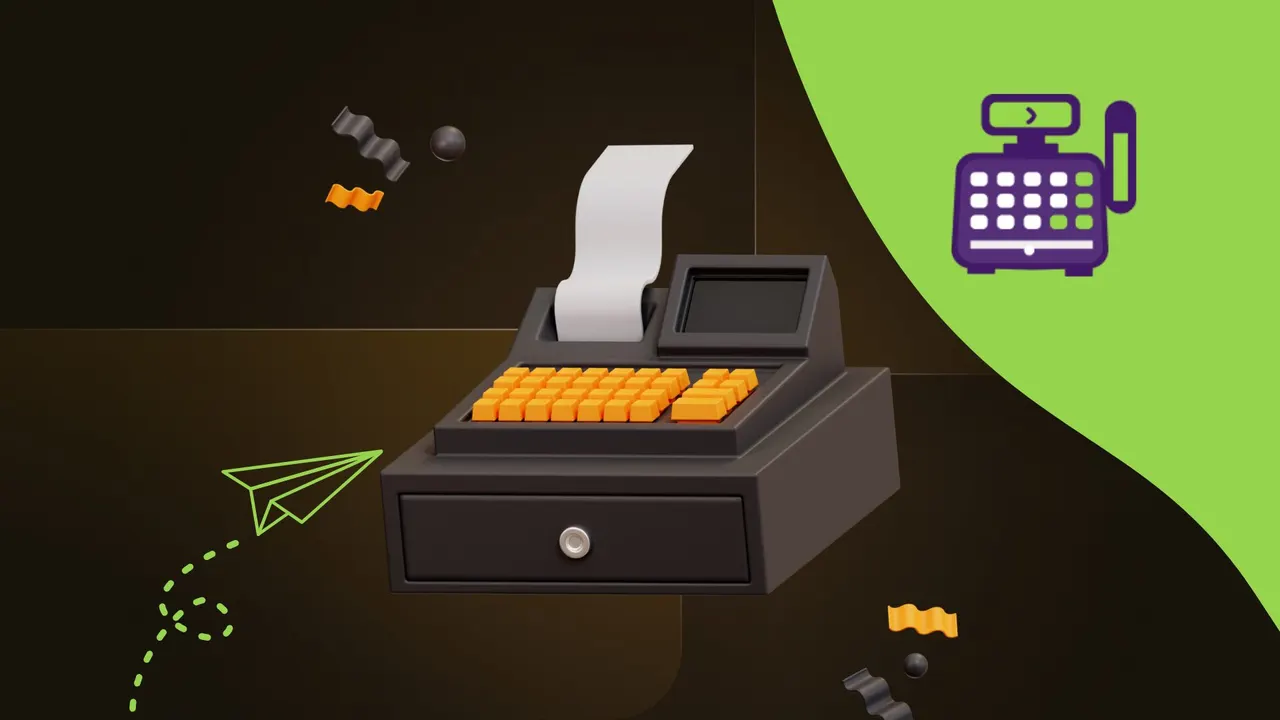
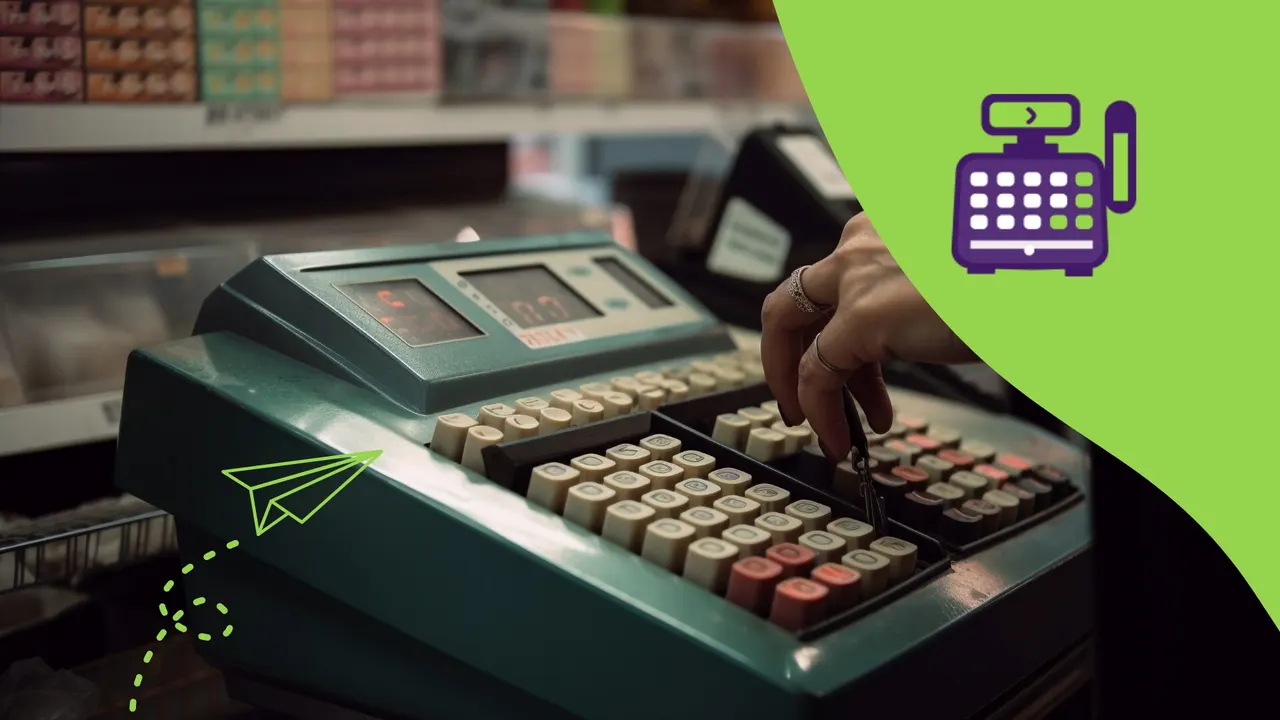
Traditional POS are the old devices usually known as cash registers. Their main function is to record sales and print a paper receipt for the customer. Some of these devices may include a cash drawer and a small screen, but they remain limited tools compared with modern systems.
Core characteristics
Reliance on physical hardware: A traditional cash register is a standalone machine that cannot easily be linked to other systems.
No internet connection: They operate in isolation, with no integration with other systems or software.
Local data only: Sales are stored on the device itself, which makes them prone to loss or damage if the device fails.
Limited functions: They cannot track inventory, and do not provide detailed reports on performance or sales.
Advantages of traditional POS
Simple to operate: No complex staff training is needed, as anyone can learn to use them quickly.
Low upfront cost: Traditional cash registers are usually much cheaper than modern electronic systems, and need no monthly subscriptions.
Reliability in simple environments: Where there is no internet or technical infrastructure, these devices are practical because they need no external connection.
Suitable for very small businesses: Such as kiosks, market stalls, or temporary stores at events and exhibitions.
Disadvantages of traditional POS
Severely limited functions: The device only records sales, and offers no way to manage inventory, staff or expenses.
No flexibility: The device cannot be upgraded as the business grows, and stays limited to its original capabilities.
No reports or analytics: This leaves the business owner without accurate data for making strategic decisions.
Weak security: Data is stored only locally, which means it can be lost if the device is damaged or someone makes a mistake.
Hidden extra costs: When you need to upgrade the system or add a new branch, you have to buy new devices that are not connected to the first one.
Electronic POS
Definition
Electronic POS, also known as modern cloud systems, are integrated software that can be used on multiple devices such as computers, tablets or smartphones. These systems rely mainly on the internet, but they often offer an offline mode so operations don't stop if the network drops.
Core characteristics
Comprehensive management: Not limited to recording sales, but covering inventory, staff, expenses and customers.
Cloud access: The business owner can follow their business from anywhere in the world through an app or a web dashboard.
Online and offline operation: Even if the internet drops, the system keeps working and then syncs the data automatically later.
Integration with other systems: Such as online stores, payment gateways and loyalty programs.
Advantages of electronic POS
Advanced sales management: You can see the best-selling products, peak periods, and the volume of daily or monthly revenue.
Accurate inventory management: Products are deducted from inventory automatically when sold, and the system sends alerts when quantities run low.
Staff tracking: You can set different permissions for each employee, and see each person's performance based on the sales they completed.
Data security and protection: Thanks to encryption and cloud backups, your data is protected even if the device is damaged.
Flexible online and offline operation: Sales don't stop even when the internet drops, ensuring continuity of service.
Integration with online stores: If a sale is made through your website, inventory is updated at the same moment to avoid errors.
Easy expansion: If you add a new branch, you can link it to the same system and follow all branches from one dashboard.
Real-time analytics: They help you make decisions based on actual data, such as rising demand for a certain product or the need to adjust prices.
Disadvantages of electronic POS systems
Subscription cost: although it is lower than the cost of buying new devices in the long run, subscription fees can be a barrier for some very small businesses.
Need for internet: to get the full benefits you need a constant network connection, although good systems such as Alcashier provide an offline mode.
Staff training: the system requires some initial training for staff, especially those not used to working with smart devices.
A comprehensive comparison between the two systems
| Item | Traditional POS | Electronic POS |
|---|---|---|
| Functions | Only records sales and prints receipts | Manages sales, stock, staff, expenses, and integrated reports |
| Reports | Almost non-existent or very limited | Advanced real-time analytical reports that help in making accurate decisions |
| Integration | Does not support any external integration | Integrates with online stores, payment gateways, and loyalty programs |
| Security | Data stored locally and at risk of loss | Encrypted cloud data with automatic backups |
| Flexibility | Not scalable, needs a new device for every branch | Easily scalable, with the ability to add branches and connect them to the system |
| Customer experience | Limited and sometimes slow | Faster and more professional, with support for offers and discounts |
| Long-term cost | Low at the start but inefficient as you grow | A recurring subscription but a long-term investment that boosts efficiency |
Practical examples
A small grocery store using a traditional cash register: it records sales and issues receipts, but struggles to know the exact size of its profits or keep track of stock.
A restaurant using the Alcashier system: it knows moment by moment which dishes sell the most, receives alerts when ingredients are running low, links orders with delivery apps, and gives its customers discounts through loyalty programs.
Frequently asked questions about traditional and electronic POS systems
Do electronic POS systems work without internet?
Yes, most modern systems such as Alcashier support offline mode. This means sales are recorded even when the network is down, then automatically synced to the cloud when the connection returns.
Are traditional POS systems still useful today?
They can be useful for very small businesses such as kiosks or temporary stores, where all that is needed is recording sales and printing receipts. But they lack flexibility and the ability to scale.
Which is better for small businesses: traditional or electronic?
If the business is extremely simple, traditional devices may be enough. But even small businesses benefit from electronic systems because they provide accurate reports, stock tracking, and the ability to grow over time.
Are electronic POS systems secure?
Yes, they rely on encryption and cloud data storage with continuous backups, which protects information from loss or breaches.
Can electronic POS systems be linked to online stores?
Absolutely, and this is one of their most prominent advantages. Products sold online are deducted directly from stock, which prevents errors and makes the customer experience smoother.
Summary
The difference between traditional and electronic POS systems is not just a difference in technology, but a difference in how a business is run. While traditional devices offer a simple, limited solution, electronic systems such as Alcashier give you full control over your business, accurate data for making decisions, and a better experience for your customers.
POS as the hidden manager of your business: how to drive your success from behind the scenes
In the modern business world, data and sales management has become the cornerstone of success and continuity, as it is no longer possible to rely only…
The next generation of POS in Saudi Arabia: trends for the next five years
The Saudi market is going through a rapid, comprehensive digital shift across economic and commercial sectors, driven by the Kingdom's Vision 2030, which places digital transformation…
The future of restaurants without cashiers: will POS replace staff?
The restaurant sector worldwide is undergoing a radical transformation driven by fast-moving technology, as the changes are no longer limited to cooking methods or design…
The post The difference between traditional and electronic POS systems appeared first on Alcashier.