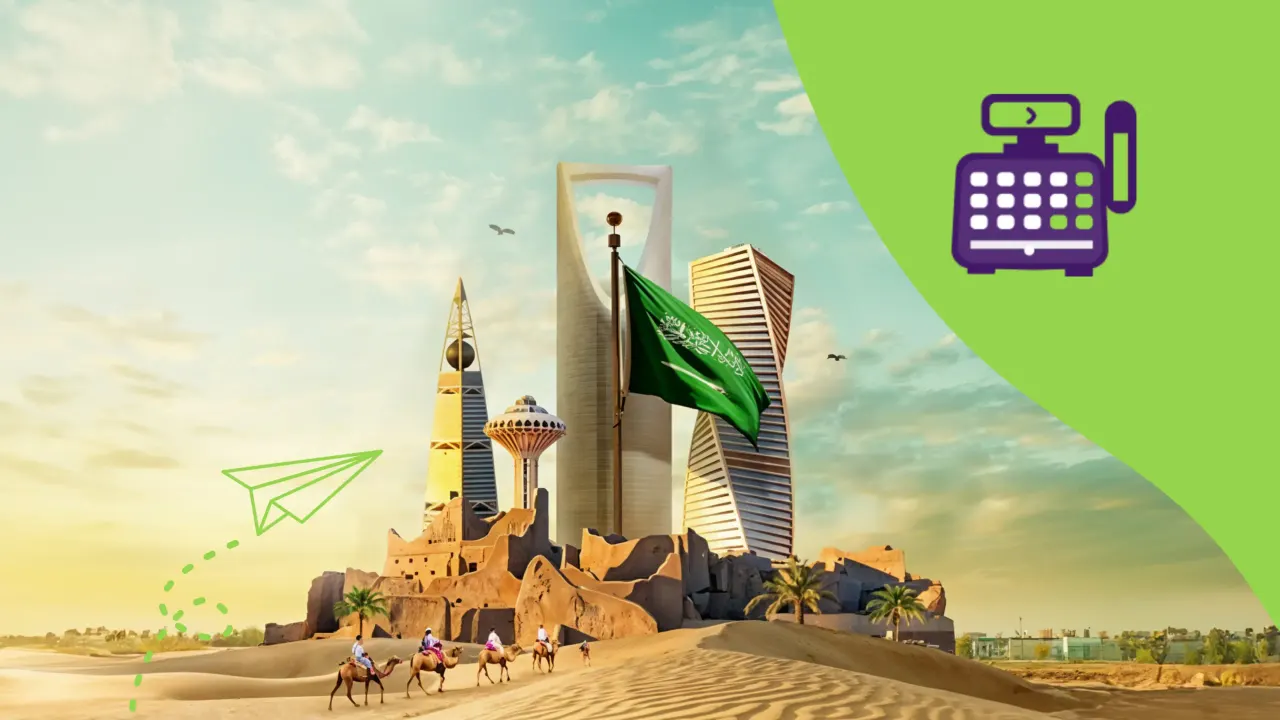
Riyadh Season is no longer just a passing entertainment event; it has become an integrated economic and cultural ecosystem that brings together experience, tourism, commerce and innovation in service delivery. With millions of visitors flowing in from inside and outside Saudi Arabia, the season has become a main driver supporting the commercial, hospitality and retail sectors, and a practical testing ground for measuring the readiness of local businesses. The visitor experience has become the focus of success for participating businesses, as it is the real measure of how well brands can combine organization, quality and flexibility. This experience is measured not only by the beauty of the design or the quality of the product, but extends to every moment of interaction between the customer and the business, from the moment of entry, through the welcome, browsing and choosing, to payment and departure and beyond, including follow-up and after-sales service.
In this article, we review the visitor experience at Riyadh Season from the customer's and the business's perspective, and how point of sale systems such as Alcashier can play a vital role in improving this experience and ensuring both sides are satisfied.
First: the customer's perspective - the visitor's journey to amazement
1. Smooth access and service
The visitor at Riyadh Season is looking for an experience free of complications. They want to walk in, buy, enjoy and leave easily. So every moment of waiting or delay in payment or communication counts against the experience.
A 2024 study by the General Entertainment Authority indicated that 85% of visitors consider service speed a key factor in their overall satisfaction with the event.
This is where digital systems stand out in making service easier, such as fast point of sale systems and payment through e-wallets or QR, to reduce crowding and improve the first impression.
2. Personalization and human interaction
Visitors expect to feel personal attention, even in a crowded environment like Riyadh Season. Smart businesses use data to understand customer preferences, such as suggesting complementary products or special offers.
For example, the Alcashier system can be linked to a customer database to offer personalized discounts based on purchase history, creating a lasting relationship that goes beyond the event itself.
3. The payment experience – the last impression and the most important
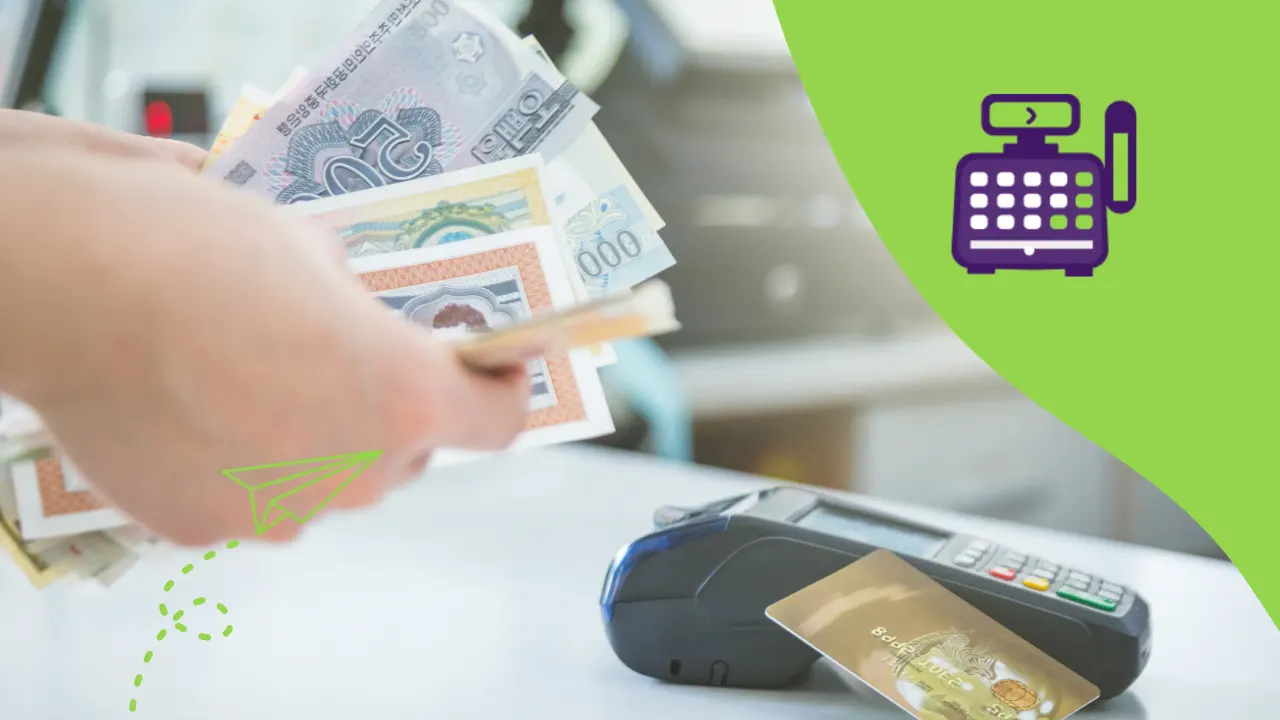
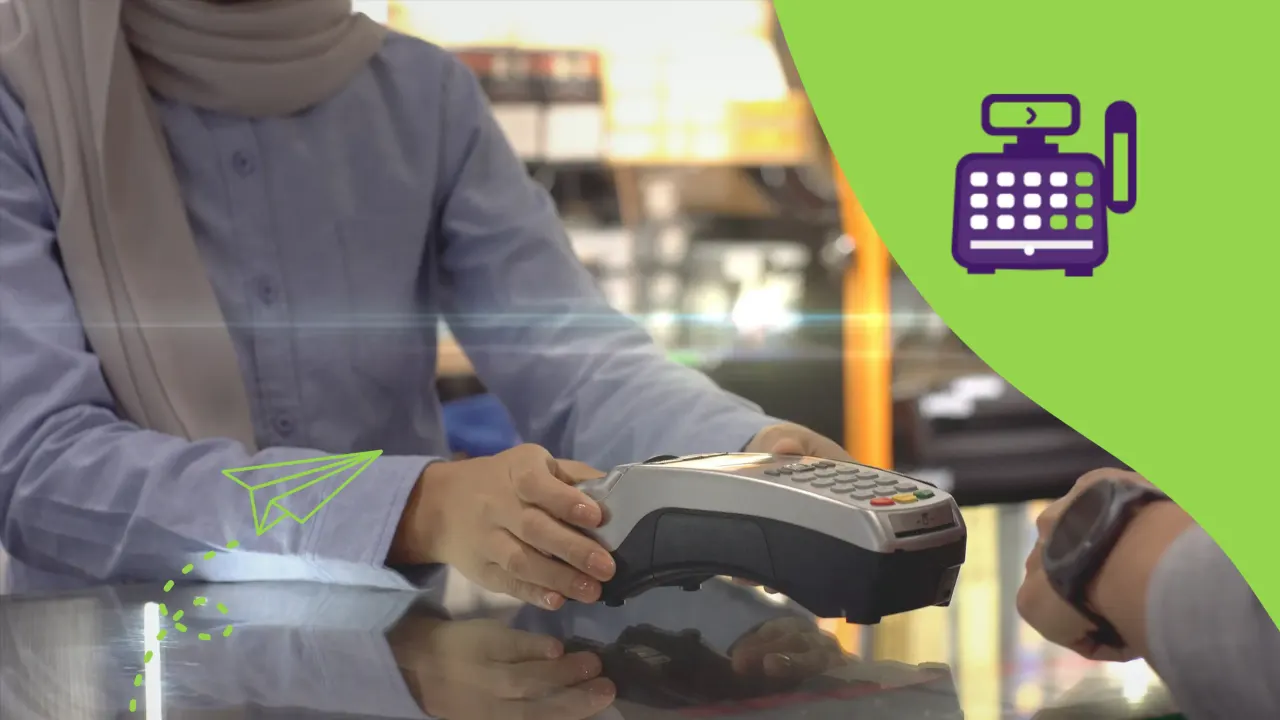
The payment point is the decisive moment in the experience. Smooth, fast payment strengthens the positive impression, while errors or breakdowns can spoil the whole experience. Customers today prefer flexibility: cash, mada, Apple Pay, or even instant e-invoices.
According to a Statista report, more than 70% of shoppers at entertainment events in the Kingdom prefer digital payment.
Systems like Alcashier offer all of these options, with offline mode support to keep operations going even when the network is weak.
Second: the business's perspective - behind the scenes
1. The biggest challenge: managing crowds and demand
During Riyadh Season, orders suddenly multiply. A successful business is one that can manage this pressure without chaos or financial errors. Advanced point of sale systems provide an instant dashboard to track orders, sales and inventory in real time.
Systems like Alcashier give businesses the ability to monitor performance instantly, predict peak periods, and send alerts when inventory runs low, ensuring uninterrupted service.
2. Unifying data across branches
Many brands take part in the season with several kiosks or branches. One of the major challenges is unifying data between them to avoid errors in reports or invoices. The cloud system from Alcashier lets management fully control all branches from one platform, with comparison reports on the performance of each location.
3. Analyzing customer behavior to make faster decisions
During Riyadh Season, buying patterns change quickly. Customers may favor a certain product today and ignore it tomorrow. By using the system's real-time sales reports, businesses can adjust pricing or offers based on actual data, not intuition.
According to a PwC Middle East report, organizations that rely on real-time data analysis increase their sales by 23% at major events.
Third: where customer and business meet - the shared experience
1. Speed and efficiency
When visitors feel that the business is organized and quick in serving them, it reflects on the overall image of the whole event. From the business's side, this means an effective system that cuts operations down to a few steps.
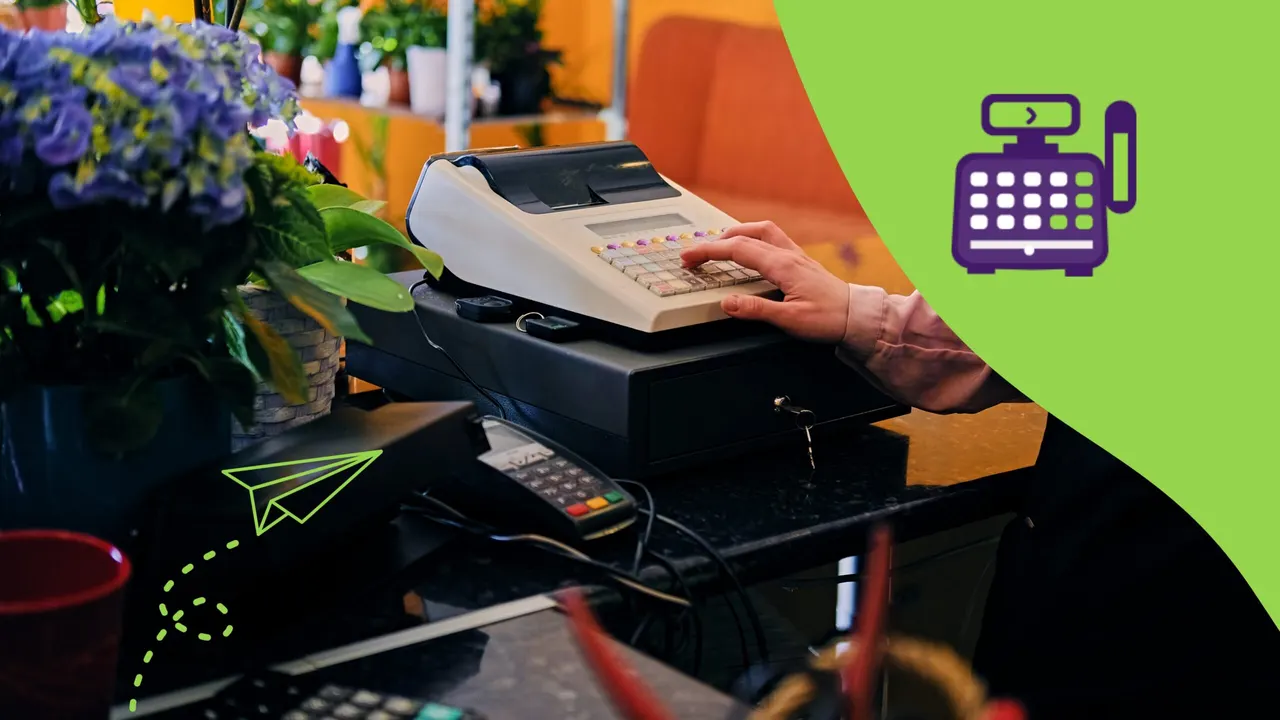
The Alcashier system, for example, lets staff complete a sale in seconds, with the invoice printed or sent electronically, which reduces waiting time and increases the turnover rate.
2. Transparency in dealings
Issuing clear e-invoices, setting prices accurately, and avoiding errors in payment or refunds all build trust with the customer and strengthen the business's credibility. In line with the requirements of the Zakat, Tax and Customs Authority (ZATCA), the system ensures compliance with the Kingdom's e-invoicing regulations.
3. Keeping the experience complete despite the crowds
Peak times are a real test. This is where systems that can work without the internet stand out, like Alcashier, which records sales locally and syncs them automatically when the connection returns.
Fourth: the psychology of the visitor experience
Marketing psychology confirms that visitors are influenced by visual cues, sounds, smells, the flow of movement and the way of communication more than by price. So it is recommended to apply the “peak-end” principle so that the moment of highest enjoyment and the end of the experience are both positive (fast service and a pleasant farewell with an e-receipt), and to use clear bilingual signage, short menus that are easy to scan visually, and zigzag queue designs that reduce the feeling of a long wait. Businesses that provide a comfortable environment, calm music at a carefully chosen volume, friendly staff who use set welcoming phrases, screens showing order status and remaining time, and an easy payment experience with several options (mada, Apple Pay, QR), increase the chances of the customer returning in future and improve the average basket value.
And in a season the size of Riyadh's, these small details make the difference between a successful business and an ordinary one; they help lower the visitor's cognitive anxiety, reduce cart abandonment, and create shareable social moments. Linking the point of sale to quick loyalty programs through Alcashier to capture an email/phone number with one tap after payment also cements the positive memory of the experience and turns the visitor into a repeat customer.
Fifth: how to prepare your business for an exceptional visitor experience
- Test potential crowding points before the event starts by simulating visitor flow (a 15–20 minute stress test) and tracking critical paths on the map, and define separate paths for payment and pickup to reduce overlap.
- Train your team on speed and positive communication by standardizing welcome/apology phrases, setting a target service time for each operation (for example: ≤45 seconds for a simple order), and enabling a short standard operating procedure on the cashier screen.
- Enable multiple payment systems (mada, Apple Pay, STC Pay, QR) with an offline backup plan and confirmation that the receipt is printed or sent electronically, to ensure service continuity even when the network is weak.
- Use an integrated system like Alcashier to link sales with inventory and reports, manage staff permissions, and track performance across branches in a single view that supports offline mode.
- Track performance indicators daily such as: average waiting time, average basket value, conversion rate, stock-out rate and return rate, then take corrective action immediately.
- Improve schedules and shifts by increasing staff at peak hours, assigning one employee to direct the queues and another to handle quick payments only.
- Simplify the menu and develop pricing by adopting a limited number of star items, clear bundles/combo offers, and carefully chosen psychological pricing (such as 29.9), with high-resolution photos that can be scanned visually at a glance.
- Develop visual communication points with bilingual boards, directional arrows, order status screens, and QR codes for pre-orders/digital menus.
- Strengthen compliance and security by complying with e-invoicing and regulators' requirements, and reviewing discounts and cancellations through periodic reports to reduce errors and misuse.
Frequently asked questions (FAQ)
1. Why does a POS system matter during Riyadh Season?
A point-of-sale system is the backbone of any business during the season. It manages sales, tracks inventory and helps you make decisions on the spot. Systems like Alcashier give you the flexibility and reliability you need in a busy, seasonal environment.
2. How can a business improve the visitor experience without huge costs?
By improving service speed, using modern payment technologies and training staff to deal with customers professionally. Digital tools like Alcashier help you achieve this for a reasonable monthly subscription.
3. What are the common challenges for businesses during Riyadh Season?
Crowds, weak internet connectivity, difficulty tracking inventory and delayed payments. The solution is to rely on a strong system that works offline and supports real-time reports.
4. How does the visitor experience affect a business's reputation?
Today's visitor is the biggest marketing channel. A bad experience spreads quickly across social platforms, while an outstanding experience turns visitors into ambassadors for your business.
5. Can Riyadh Season be a testing ground for developing businesses?
Absolutely. The season offers an environment rich in data and opportunities. By tracking performance and analysing customer behaviour with AAlcashier, you can develop and refine your business model for the years ahead.
Conclusion:
The visitor experience is not the customer's responsibility alone, nor the business's alone; it is a shared journey that requires smart coordination between service, technology and the human experience that shapes the visitor's lasting impression. In Riyadh Season, where creativity meets crowds and fierce competition for attention, success depends on managing the small details with great efficiency, from the first interaction to the last step of the buying journey.
Businesses that appreciate the importance of these details, use performance analysis tools and invest in training their teams to respond instantly gain a clear competitive advantage. Using smart tools like Alcashier is not only about speeding up sales; it opens the door to real-time data analysis, a better understanding of visitor behaviour and personalised offers at the right moment. This way, businesses can ensure a smooth, professional experience that translates into real satisfaction, growing sales and long-term loyalty that goes beyond a single season and becomes an ongoing relationship with the customer.
Ready for Riyadh Season?
Start your journey with Alcashier today and be part of the digital revolution in sales management.
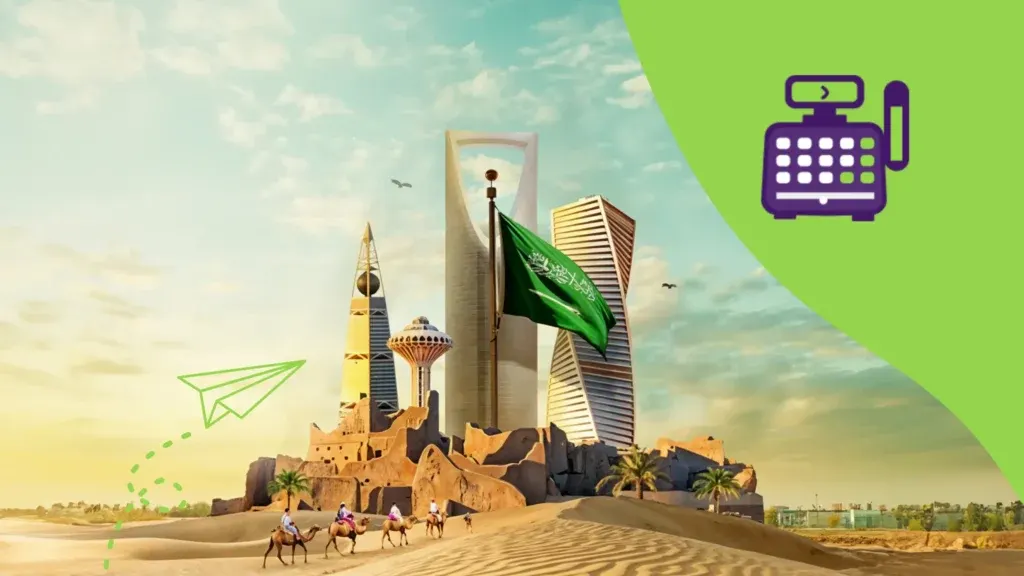
Behind the scenes at Riyadh Season: how POS systems keep the visitor experience running smoothly
Riyadh Season is one of the most prominent entertainment events in the Arab world, bringing together entertainment, culture and commerce in an exceptional experience…
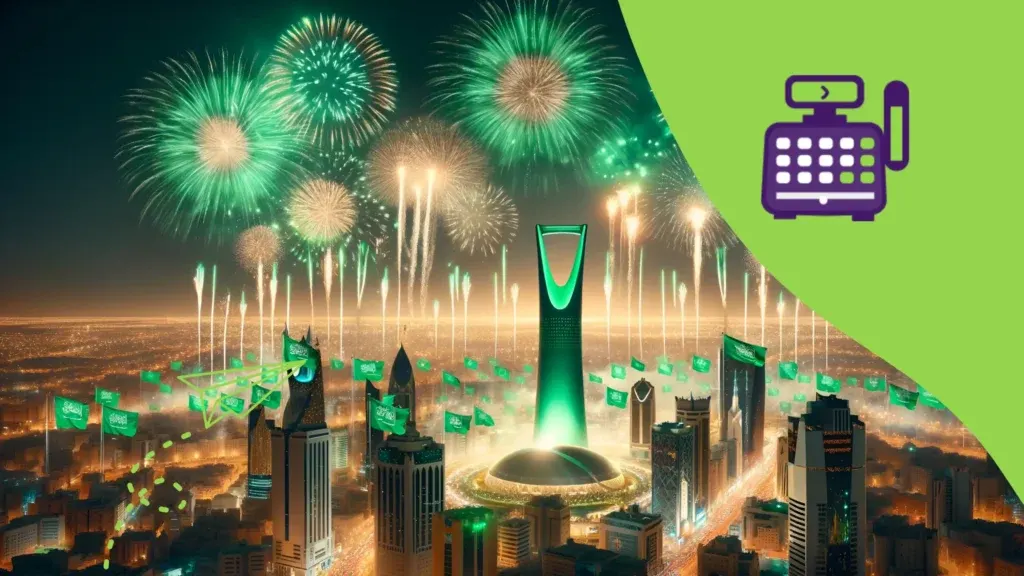
Riyadh Season: how restaurants and shops prepare to manage sales with smart POS systems
Riyadh Season is one of the largest entertainment and economic events in the region, attracting millions of visitors every year from inside and outside the Kingdom, and it forms…
The post The visitor experience in Riyadh Season from the customer's and the business's perspective appeared first on Alcashier.